
How to Approach the Final Table in a Poker Tournament

Final table poker is a different game from what got you there. Stack-to-blind ratios tighten, payout jumps start affecting decisions that would have been automatic earlier, and every player remaining got here for a reason. The adjustments below cover the spots where final table play most consistently demands a change in approach.
Understand the Dynamics
The dynamics at the final table are vastly different from the earlier stages of a tournament. The stacks are generally deeper, the blinds are higher, and the pressure is immense. Each player’s strategy can and likely will change, and understanding these shifts is crucial.
- Stack Sizes: Adjust your play based on your stack size relative to others. Are you the chip leader or the short stack? As a chip leader, you can exert pressure on other players, while as a short stack, you might need to play more conservatively to survive.
- Player Tendencies: Who are the aggressive players? Who is playing too conservatively? Tailoring your strategy to exploit these behaviors can give you an edge. For example, if you identify a player who is overly aggressive, you might trap them by slow-playing strong hands.
- Payout Jumps: As players get knocked out, the remaining players make more money. Sometimes, it’s beneficial to play conservatively to climb the payout ladder, particularly when there are significant differences between prize levels.
Exploit the Short Stacks
Short stacks will often play conservatively at the final table, trying to ladder up in payouts. If you have a healthy stack, this is an opportunity to apply pressure, particularly in an online poker setting where play tends to be faster, and players are forced to make quick decisions. However, be cautious of desperation shoves from the short stacks — when they’ve been backed into a corner, they’re committed rather than strong, which makes them harder to read.
A real-world example of exploiting short stacks can be seen in many professional tournaments. For instance, if a player like Phil Ivey, known for his aggressive style, observes a short stack playing conservatively, he is likely to raise more frequently in order to apply maximum pressure to them. This forces the short stacks to make difficult decisions with marginal hands.
Adjusting to the Table Dynamics
Final tables require a flexible approach to poker. If the table is aggressive, consider tightening up and capitalizing on strong hands by trapping more aggressive players. If the table is tight, increase your aggression to steal blinds and slowly build your stack.
Take the example of a player like Daniel Negreanu, who is known for his adaptability. In an aggressive table environment, Negreanu might tighten his range and look to trap aggressive players. In a tighter environment, he might open up his range and increase his bluffing frequency to accumulate chips without having to see many showdowns.
Position Is Key
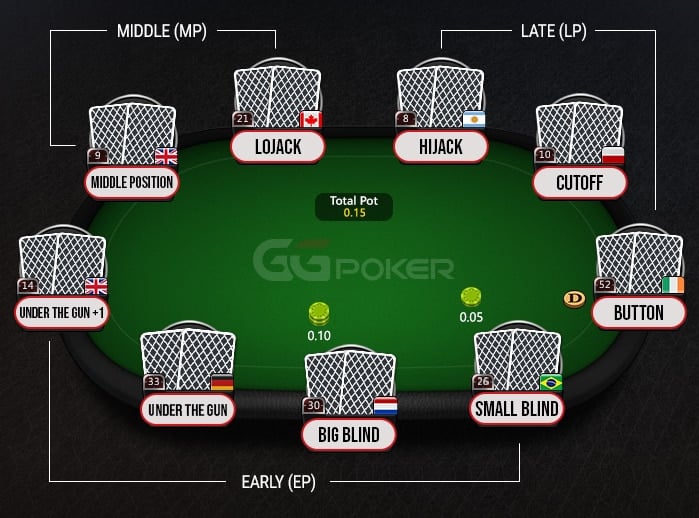
More than ever, position matters at the final table in poker tournaments. Being in a late position allows you to see how other players react before you have to make your decision, giving you more control over the pot size and more information to work with. Use this to your advantage by playing more hands from a late position and fewer from an early position.
For example, a player like Vanessa Selbst might use her position to control the pot size and apply pressure on her opponents. By playing more hands in a late position, she can exploit the information she gathers from her opponents’ actions, making more informed and strategic decisions.
Mental Toughness
The mental side of final table play compounds in ways it doesn’t earlier in a tournament. Larger prize jumps raise the stakes of each decision, and both fatigue and adrenaline work against clean thinking at longer events — the best counter is deliberate patience rather than trusting whatever state you’re in.
A notable example is Chris Moneymaker, whose calm demeanor and mental resilience helped him win the 2003 WSOP Main Event. Despite the pressure of being an amateur at the final table, Moneymaker maintained his composure, which was key to his historic victory.
Know When to Make a Deal
Sometimes, making a deal at the final table can be beneficial, especially in high-stakes games where the monetary difference between the top spots can be significant. Understand when it’s good to propose a deal or accept one from another player. This usually depends on the relative chip counts, the payout structure, and the skill level of the remaining players.

Build Volume
The only real preparation for final table pressure is exposure to it. Playing as many tournaments as you can — live or online — builds a reference library of spots and situations that doesn’t come any other way. When something similar comes up again, you’ll recognize it faster and hesitate less.
Most of the adjustments above come down to the same thing: the final table is not the place to play your default game. The money is real, the field is compressed, and the decisions that felt routine earlier now carry weight they didn’t before. Adjusting how you play isn’t optional — it’s the whole job.
👉 Use Referral Code: WINBIG 👈DEAL ME IN!

About the Author: Maury Orton is a poker writer and editor contributing to GGPoker. He focuses on clear, reliable explanations of the game, drawing on years of experience in online poker media and digital publishing.