

Poker Strategy: How to Play Suited Connectors

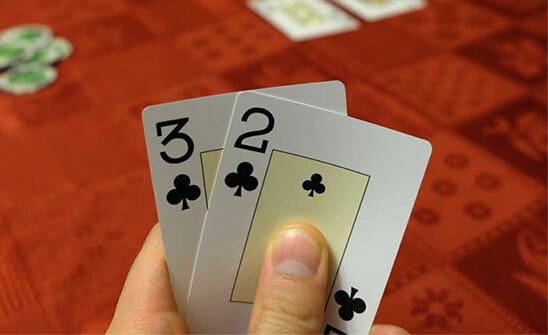
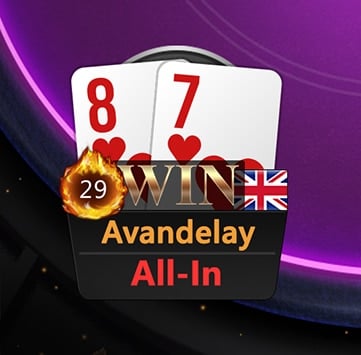
Suited connectors, two adjacent cards of the same suit like the seven and eight of hearts, are among the most over-played hands in poker. Players love them because they look exciting and can flop a straight or a flush out of nowhere. That is also the trap. A suited connector is a speculative hand: its value comes almost entirely from implied odds, from the money you win on the rare occasions it hits hard, not from any strength it holds before the flop. Play it in the right spots and it is a quiet profit center. Play it in the wrong ones and it bleeds chips a little at a time. The difference comes down to position, stack depth, and discipline.
What Makes Them Worth Playing
The appeal is real, as long as you understand where it comes from. Suited connectors give you board coverage: they can connect with low, middle, and coordinated flops that premium hands miss entirely, which means your opponents can never be certain the board has skipped your range. They also draw to the hands that win big pots. A straight or a flush, and occasionally the straight flush, will stack an opponent holding an overpair who never saw it coming.
That is the honest answer to “are suited connectors worth playing.” Yes, but on credit. You are not paying to have the best hand right now; you are paying for the chance to make a disguised monster and get paid off when you do. Everything that follows is about making sure the price is right before you put chips in.
Position Decides Almost Everything
If there is one factor that separates a profitable suited connector from a leak, it is position.
From early seats, fold most of them. You are acting first for the rest of the hand with almost no information, and speculative hands hate playing blind. The exception is a passive table where several players routinely see cheap flops, which restores the implied odds that make the hand worth a look. Short of that, save the chips.
From middle position you can open up. A raise is fine when you can thin the field to two or three players and keep the initiative, and flatting a raise makes sense against an opponent who overplays their hands and will pay you off when you connect. This is where “it depends” earns its keep: it depends on who raised and how they play after the flop.
Late position is where suited connectors belong. Acting last gives you the information the early-position player was missing, and it lets you steal the blinds when everyone folds or see a flop cheaply when they do not. In position, with the betting to your right, a speculative hand plays the way it is supposed to.
Mind the Stack Depth
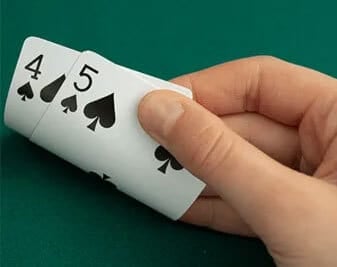
Suited connectors need money behind them. They play best against a single opponent when stacks are deep, roughly 75 big blinds or more, because that is what lets a made hand or a live draw threaten a full stack on later streets. Against short stacks they lose most of their value: you cannot win enough when you hit, and you cannot apply enough pressure when you miss.
Say you open five-six of hearts from middle position and the big blind calls. The flop is J-4-7 rainbow, giving you an open-ended straight draw, and after your opponent checks, you bet, they call. The turn is a king. Against a deep stack, that king is an ideal card to keep barreling: it threatens their whole one-pair range and puts them to a genuine decision. Against a short stack who already committed most of their chips on the flop, the same barrel does nothing but pot-stick them into calling with any pair. Same cards, opposite play, and stack depth is the only thing that changed.
The Multiway Trap
Here is where most of the money leaks out. Contrary to popular belief, low and middle suited connectors are not good multiway hands. The problem is reverse implied odds: in a crowded pot you make your straight or flush and still lose, because someone else made a bigger one.
Say an early-position raise draws three callers. You call on the button with seven-eight of diamonds, and the flop comes K-3-4 with two diamonds. You have a flush draw, but so, quite possibly, does someone else, and theirs is bigger. The likely outcomes are that you make your flush and win nothing, or make your flush and lose a stack. The “dummy end” of a straight is the same story: seven-eight on a nine-ten-jack flop is drawing to the low end, and the pot getting big is bad news, not good. This is why solvers will call or three-bet a suited connector against a lone raiser but fold the same hand on the button once callers pile in. More players in the pot is not more value with these hands; it is more ways to make a second-best hand.
Playing Them After the Flop
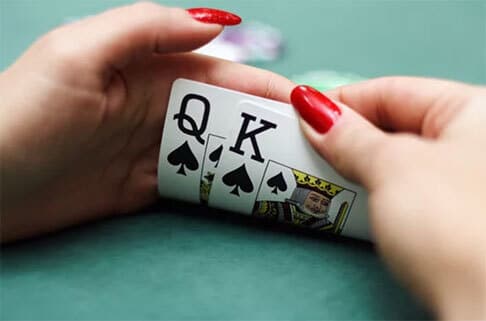
Suited connectors are won and lost after the flop, because that is when their real strength finally shows. Read the texture first. A flop that hands you a strong draw or a made hand can be bet hard across streets; a flop that misses you completely is usually a check-and-fold, not a reason to keep firing on stubbornness.
When you do have a draw, semi-bluffing is the point of the hand. Betting an open-ender or a flush draw builds the pot for the times you get there and gives you a second way to win when your opponent folds. Just keep the pot honest when you miss. Not every suited connector is worth a big pot, and controlling the size is how you survive the hands that do not come in. Floating a flop with the plan of taking it away on the turn, or firing a second barrel when a scare card lands, are both extensions of the same idea: your fold equity, not your six-high, is often what wins the pot.
Suited Connectors in Tournaments
Tournaments change the math. Early on, with deep stacks, you can play suited connectors much as you would in a cash game. As the blinds and antes climb, get more selective. Their best use in the middle and late stages is as a stealing hand from late position, where the fold equity of a raise wins the pot before a flop is ever dealt. What you want to avoid is calling off a shrinking stack on speculation. When you are shallow, survival beats the dream of a disguised straight, and you need enough chips behind to actually get paid on the rare occasion you connect.
Staying Unpredictable
Used sparingly, suited connectors are also what keep the rest of your game honest. Folding them into your preflop raising and three-betting range means an opponent can never put you cleanly on premiums when the board runs out low and connected. Players like Daniel Negreanu lean on exactly that ambiguity to apply pressure that a tight, readable range never could.
The caution is not to overdo it from up front. A reasonable habit is to open suited connectors only about a third of the time from early position and to loosen that up as you approach the button. If you need a way to randomize without overthinking it, glance at the second hand of a clock and three-bet when it falls in a preset window. It sounds crude, but it keeps you from becoming the predictable player everyone else is trying to be.
The Bottom Line
Suited connectors are not premium hands, and treating them like premiums is exactly how good players lose money with them. They are tools for specific conditions: deep stacks, position, and ideally a single opponent or a very passive field. Get those conditions right, stay disciplined when the flop misses, and they earn their place in your range. Get greedy with them out of position and in a crowd, and they will cost you far more than they ever return. GGPoker’s hand rankings are a useful reference for where they sit against everything else, and the same speculative logic carries over to Texas Hold’em cash and tournament play alike.
👉 Use Referral Code: WINBIG 👈PLAY NOW!
About the Author: Maury Orton is a poker writer and editor contributing to GGPoker. He focuses on clear, reliable explanations of the game, drawing on years of experience in online poker media and digital publishing.