
The Importance of Aggression in Poker
Aggression in poker means betting and raising rather than calling and checking — and understanding why it works is worth the time. Passive play lets your opponents control the hand. Aggressive play puts them under pressure and forces mistakes. None of that requires a particular personality type. It requires a clearer sense of when and why to apply pressure.
Understanding Aggression in Poker
Aggressive play gives you two ways to win a hand: make the best hand at showdown, or get your opponent to fold before you get there. Passive play gives you only one. That difference compounds over a session — which is why aggressive players tend to run better than their cards alone would suggest.
The Gentle Art of Aggression in Poker Games
Aggression in poker isn’t about raising your voice or even your blood pressure–it’s about raising the stakes.
- It puts opponents on the back foot. Ever seen a deer caught in headlights? That’s your opponent when you’re aggressive.
- You win more pots uncontested. Because sometimes, no one wants to mess with that aggressive player.
- You can mask the strength of your actual hand. Keep ’em guessing.
Aggression and bluffing aren’t separate strategies — aggressive play is what makes a bluff credible.

The Role of Position in Aggression
Position is one of the most important factors in how aggressively you should play. In a late position, you see how every other player acts before making your decision — that information changes the math on nearly every hand. Players in later positions can afford to be more aggressive because they have a clearer picture of their opponents’ hands. On the flip side, if you’re in an early position, it’s like walking into a dark room–you have less information and need to tread carefully. So, remember, your position at the table should dictate your level of aggression.
Aggression in Different Betting Rounds
Aggression isn’t a one-size-fits-all approach; it needs to be tailored to each betting round. In the pre-flop round, being aggressive narrows the field and builds the pot. During the flop round, aggression is your tool to protect your hand and keep building that pot. As you move to the turn and river rounds, your aggression should aim to maximize your winnings and minimize your losses. Each round of betting has its own rhythm, and understanding how to apply aggression at each stage is key to mastering the game.
Online Poker Aggression
Playing poker online adds a whole new dimension to aggression. Unlike live poker, where you can read your opponents’ body language, online poker requires you to rely on other cues. Players have more time to think and react to the community cards, and many use software tools to analyze their opponents’ play. This means you need to be smart about your aggression. Over-aggression can lead to losing pots and damaging your reputation. So, while it’s important to be aggressive, make sure you’re also being strategic and not just throwing chips around willy-nilly.
How to Hone Your Aggressive Streak in a Betting Round
When playing Texas Hold’em, betting begins after the initial two cards are dealt to each player and continues through subsequent rounds as community cards are revealed. This is when players can fold, call, or raise based on their hands and the community cards on the table.
- Start with PositionAlways know where you stand. Literally! Being in a late position at the poker table gives you the advantage of seeing everyone else’s move before you make yours. It’s like having a sneak peek into the future, minus the crystal ball.
- Pick the Right BattlesAggression doesn’t mean you go all out, all the time. It’s like picking the juiciest piece of steak from a buffet. Why waste your appetite on the bread rolls?
- Read the TableObservation is a goldmine of information. That twitch in Mr. Sunglasses’ eye? Could mean he’s bluffing. The way Ms. Red-dress taps her chips? It might indicate she’s about to fold. Play detective, and then strike!
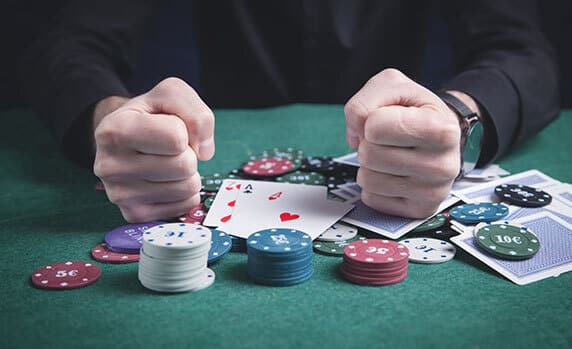
Adapting Aggression to Different Opponents
Not all opponents are created equal, and your aggression should reflect that. Against tight opponents, use aggression to build the pot and maximize your winnings. They’re likely to fold under pressure, so keep the heat on. When facing loose opponents, your aggression should aim to narrow the field and minimize your losses. They’re more likely to call, so be selective with your aggressive moves. And when you’re up against aggressive opponents, use their own strategy against them. Counter their aggression to protect your hand and keep them in check. Adapting your aggression to different opponents is like having a Swiss Army knife in your poker toolkit–versatile and essential.
When Aggression Backfires in the Final Betting Round
Aggression misfires when it becomes a habit rather than a decision. There will be times when aggression doesn’t work in your favor. The key? Know when to switch gears. You’ll wear out your engine if you’re always driving in the fifth gear. And nobody wants that, right?
When deciding on aggressive actions, consider the previous bet — matching or raising is fundamental to the betting structure. Over-aggression reads as recklessness. The difference is selectivity.
Aggression vs. Recklessness: Knowing the Difference
Aggression in poker is a calculated move; recklessness is just… well, reckless. So, how do you differentiate?
- Recklessness is playing every hand. Aggression is playing the hands that count.
- Recklessness is not reading your opponents. Aggression is making a move after interpreting their tells.
- Recklessness is betting high without a strategy. Aggression is making those big bets at the perfect moment.
“But how do I know when that perfect moment is?” Practice, my friend. And a sprinkle of intuition, a dash of observation, and a whole lot of patience!
Famous Aggressive Plays
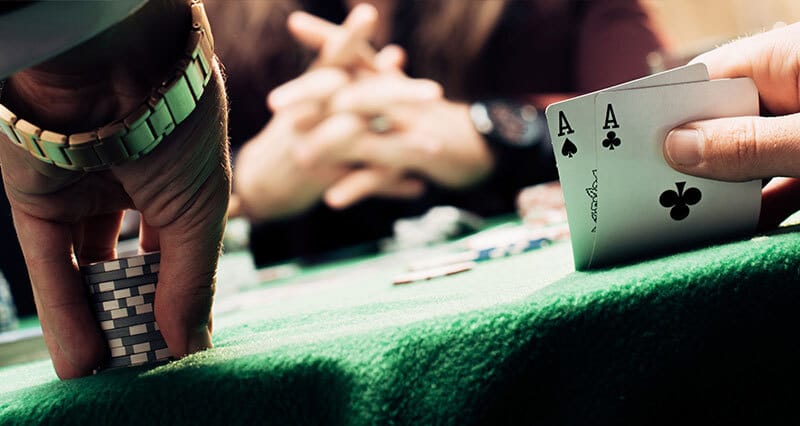
Chris Moneymaker‘s bluff against Sammy Farha at the 2003 WSOP is one of the more cited examples of aggression winning a pot it had no business winning — Moneymaker went on to win the title. Doyle Brunson built his reputation on aggressive play over decades. The pattern worth noting: specific decisions in specific spots, not personality.
Let’s shine the spotlight on Phil Ivey and his fearless table manners. A master of both skill and timing, Ivey’s 2009 battle during the WSOP is one for the history books. Holding a measly Ace and Two, Ivey didn’t flinch; he raised big, bluffing his way through a table of strong hands to scoop a pot that left the audience in awe. His audacity underscored a clear message: even modest hands can become gold mines with the right mix of aggression and strategy.
Switching gears, consider Vanessa Selbst, one of the most aggressive female poker players who ever graced the felt. Her fearless style was best exemplified during the 2010 Partouche Poker Tour Main Event. In a head-to-head battle with the crowd holding their breath, Selbst went all-in with just a pair of tens. Her opponent folded a stronger hand, a move that underscored Selbst’s reputation for relentless pressure, proving that aggression can indeed tilt the scales in one’s favor.
What these examples share is specificity — a well-timed aggressive move in a particular spot, against a particular opponent. That’s the pattern worth studying.

Aggression, used selectively, does more than win pots — it shifts the dynamic of every hand you play. The goal isn’t to be the loudest at the table. It’s to be the player whose raises mean something.
👉 Use Referral Code: WINBIG 👈DEAL ME IN!
About the Author: Maury Orton is a poker writer and editor contributing to GGPoker. He focuses on clear, reliable explanations of the game, drawing on years of experience in online poker media and digital publishing.