Heads Up Poker

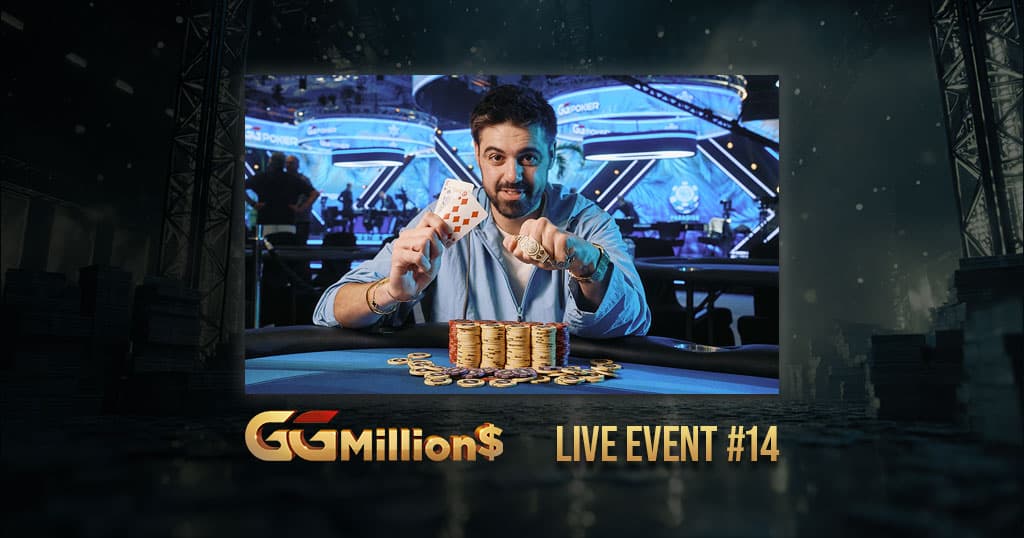
As the final table dwindles down, the air in the tournament room becomes electric, charged with anticipation. It’s the climax of a grueling marathon, where hundreds, or maybe thousands started, each player dreaming of this very moment. Now, only two contenders remain, locked in a heads-up battle for glory. The chips, stacked in uneven piles between them, are not just tokens of their skillful navigation through a sea of opponents but symbols of their resilience, strategy, and sheer determination. This isn’t just another game; it’s the ultimate showdown, where legends are born and tales of poker prowess are etched into the annals of the game’s history.
In the quiet intensity of the room, every move, every bet, and every fold carries weight. The psychological duel has begun, where each player must outwit, outplay, and outlast the other. It’s a test of not just poker skills but of endurance, focus, and the ability to read the subtle tells of their opponent. Here, in the crucible of heads-up poker, strategies are pushed to their limits, and the thin line between victory and defeat rests on the edge of a single card. As the hands play out, it becomes clear that this is more than a game; it’s a masterclass in the art of poker, where every decision could mean the difference between triumph and heartbreak.
Heads Up!
In the world of poker, heads-up play is the ultimate test of skill, patience, and strategy. It’s the gladiatorial arena of the poker world, where only two players face off in a battle of wits, strategy, and nerve. But what does it take to emerge victorious in this intense form of poker? Let’s dive into the strategies that can make or break your success in heads-up poker.
Understand Your Opponent
First and foremost, success in heads-up poker hinges on your ability to read and adapt to your opponent. Unlike full-ring games, where you’re navigating the dynamics of multiple players, heads-up poker is all about the duel. Each hand provides valuable information about your opponent’s playing style, tendencies, and potential weaknesses. Are they aggressive, constantly applying pressure with bets and raises? Or are they more passive, waiting for strong hands to play back? Adapting your strategy to exploit these tendencies is key. But remember, your opponent is also observing you. It’s a two-way street!
The Art of Aggression
Aggression is a critical component of winning heads-up play. Passive play can be your downfall, as it often leads to a slow but sure depletion of your chip stack. The trick is to balance this aggression without tipping into recklessness. You’ll need to widen your range of starting hands and be prepared to play more hands aggressively. This doesn’t mean going all-in with any two cards, but rather applying pressure through thoughtful betting and raising, forcing your opponent to make tough decisions.
Position, Position, Position
If you’ve ever heard that position is important in poker, multiply that by ten for heads-up play. Being in the button position, you have the advantage of acting last post-flop, giving you critical insight into your opponent’s actions before you make your own move. This positional advantage allows you to control the pace of the game, apply pressure when you sense weakness, and exercise caution when necessary.

Mastering the Mental Game
Heads-up poker is not just about the cards you’re dealt; it’s a psychological battle. Managing your emotions, reading your opponent’s tells, and maintaining a poker face are all part of the game. A well-timed bluff can be just as powerful as a royal flush in the right circumstances. But beware, bluffing too often can be your downfall if your opponent catches on. It’s about finding the right balance and keeping your opponent guessing.
Flexibility is Key
One of the most exciting aspects of heads-up poker is the dynamic nature of the game. Strategies that worked one minute may not work the next. Flexibility and the ability to adjust your approach on the fly are crucial. This means sometimes playing hands you wouldn’t normally play or folding hands you might typically fight for. The ability to switch gears based on the flow of the game and the changing tendencies of your opponent can be the difference between victory and defeat.
Learning from Every Hand
Every hand in heads-up poker, win or lose, is an opportunity to learn. Analyzing your play and identifying areas for improvement is essential for long-term success. This could mean refining your bluffing strategy, improving your ability to read your opponent, or mastering the mental aspects of the game. The best players are those who are constantly learning and evolving their strategies.
Conclusion
Heads-up poker is a thrilling and challenging form of the game that tests every aspect of a player’s skill, strategy, and mental fortitude. Success requires a deep understanding of your opponent, the strategic use of aggression, the savvy exploitation of position, psychological prowess, flexibility, and an unwavering commitment to learning and improvement. Whether you’re a seasoned pro or new to the heads-up arena, these strategies can help sharpen your game and give you the edge you need to succeed.
Remember, the path to heads-up poker mastery is a journey, not a sprint. It’s about continuous learning, adaptation, and the relentless pursuit of excellence. With the right strategies, a keen understanding of your opponent, and the mental agility to adjust your play, you can dominate the heads-up poker world and enjoy the thrilling victories that come with it. So, take these insights to the table, and may your next heads-up battle be a triumphant one!