
A Introductory Guide to Starting a Career in Poker
Starting a poker career means accepting a level of financial uncertainty that most professions don’t carry. The upside is real: top players earn significant money and set their own schedules. But the volatility, psychological demands, and ongoing learning required to stay competitive are equally real. What follows covers both sides of that trade-off.
Understanding the Allure of Poker
The allure of poker lies in its blend of skill and psychology with just a pinch of luck. Unlike most gambling games, poker places you against other players, not the house. The thrill of outsmarting opponents, the adrenaline rush from a big win, and the possibility of participating in prestigious tournaments around the globe are some of the rewards that attract players to the felt tables and virtual rooms of online poker.
The Financial Upsides
- Potential for High Earnings: Some players have made fortunes in poker, with top pros, like Daniel Negreanu, amassing millions in tournament prizes and even more in personal branding. The potential for high earnings, especially in high-stakes games and prestigious tournaments like the World Series of Poker (WSOP), is a significant draw.
- Flexibility and Freedom: As a poker pro, you can often set your own hours and choose when and where to play. This flexibility extends to online poker, where you can enter games from anywhere in the world, anytime. Poker adapts to your schedule, whether you’re a night owl playing under the Aurora Borealis in Norway or an early riser playing from a beach in Maui.
- Skill Advancement: The more you play, the better you will get, eventually. Poker is a game of lifelong learning, and each game is an opportunity to improve your strategy and skill. The constant challenge keeps the game exciting and rewarding.
The Risks Involved
However, a career in poker is not without its risks.
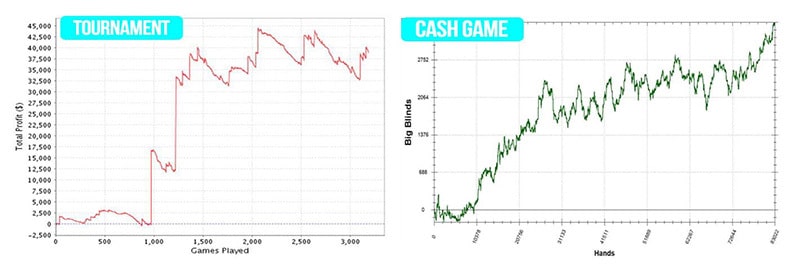
- Financial Volatility: Poker earnings are anything but steady. Professional players must manage frequent swings in their income due to the game’s inherent unpredictability. What you win today could easily be lost tomorrow, and managing this financial roller coaster requires strict discipline and a well-thought-out bankroll management strategy.
- No Guaranteed Income: Unlike traditional careers, poker does not offer a salary, benefits, or job security. This uncertainty can be stressful and is definitely not suited for everyone.
- Emotional and Psychological Stress: The pressure to perform can be overwhelming. Long losing streaks can lead to “tilt,” a poker term for emotional frustration that often leads to poor decisions. Managing emotions and maintaining a clear mind is crucial to success in poker.
Building a Poker Network
One often overlooked aspect of a poker career is the importance of building a network within the poker community. Successful poker players often emphasize the value of connecting with other players, mentors, and industry professionals. Networking can provide valuable insights, strategic tips, and moral support, especially during challenging times.
- Learning from Peers: Engaging with other players allows you to learn from their experiences and mistakes. Discussing hands, strategies, and game theory with peers can significantly enhance your understanding and performance.
- Finding Mentors: A mentor can provide guidance, helping you navigate the complexities of a poker career. They can offer personalized advice, share advanced strategies, and support you through emotional ups and downs.
- Building a Reputation: Establishing a positive reputation within the poker community can open doors to sponsorships, invitations to exclusive games, and other opportunities that can advance your career. Participating in forums, attending live events, and being active on social media are great ways to build and maintain this network.
Beyond strategy, the poker community provides a support system that can make the isolation and volatility of professional play more manageable. Platforms like GGPoker make it easy to play poker with friends and build that community online.
Transitioning to Online Poker
The introduction and growth of online poker has revolutionized the game, providing more opportunities and a new set of challenges:
– Accessibility: Online poker platforms allow players to compete with others across the globe without leaving their homes, which has expanded the poker community massively.
– Game Variety: Online poker offers a vast array of games across many stakes that are unavailable in most live settings. Players can choose from tournaments, cash games, and different poker variants, which can be a double-edged sword. More options mean more opportunities but requires more discipline to avoid stretching oneself too thin.
– Skill Differences: The online game tends to be faster and more aggressive. This environment can be challenging for players accustomed to the slower pace and visible tells of live poker.

👉 Use Referral Code: WINBIG 👈PLAY NOW
Is a Poker Career Right for You?
The honest answer depends on your financial situation, risk tolerance, and how seriously you approach the study side of the game. Poker can be a legitimate career, but it’s a hard one: the variance is significant, the required skill level keeps rising, and most recreational players who turn pro underestimate the gap between playing well and playing well enough to beat a rake-heavy game consistently.
Most careers carry some risk. In poker, that risk shows up every session and nothing buffers it: no salary, no safety net, no guaranteed income. Understanding that reality going in doesn’t change the variance, but it does make the choice a more honest one.

About the Author: Maury Orton is a poker writer and editor contributing to GGPoker. He focuses on clear, reliable explanations of the game, drawing on years of experience in online poker media and digital publishing.