

The Boom Years: Chris Moneymaker, Carlos Mortensen, Joe Cada, Sammy Farha and Greg Raymer
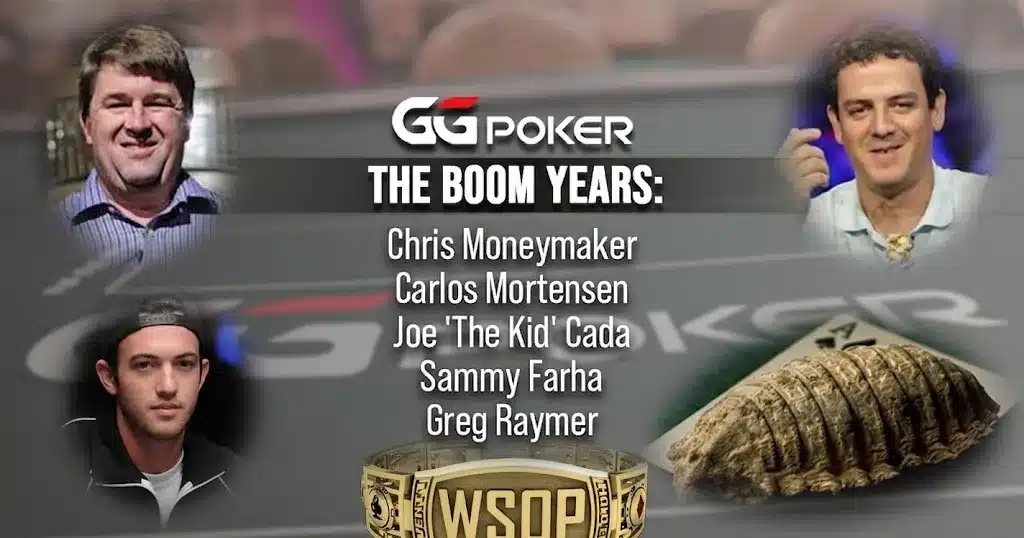
In 2003, an amateur accountant named Chris Moneymaker won the World Series of Poker Main Event after qualifying online for $86, and poker was never the same. Television, the internet, and a wide-open field convinced millions of people watching at home that they could do it too. The result was the poker boom: a few explosive years when entry lists tripled, prize pools swelled into eight figures, and a new world champion was crowned each summer to a bigger audience than the last. These are the faces of that era, the everyman who started it, the champions who followed, and the man on the other side of the hand that lit the fuse.
Chris Moneymaker

No single player changed poker more, and he did it in one week. Chris Moneymaker was a Tennessee accountant with a part-time restaurant job and a fitting surname when, in 2003, he turned an $86 online satellite on PokerStars into a seat at the World Series of Poker Main Event. He had never played a live tournament in his life.
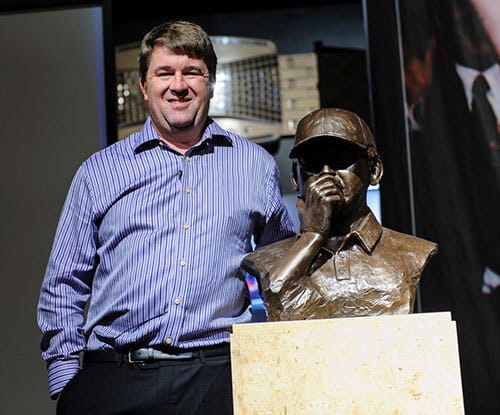
What happened next became legend. Moneymaker outlasted a field of 839 players, most of them seasoned pros, and beat the veteran Sammy Farha heads-up to win $2.5 million. The story was almost too perfect: an ordinary guy with the perfect name, qualifying online for pocket change and toppling the professionals on national television. ESPN’s coverage, complete with hole-card cameras, turned it into appointment viewing.
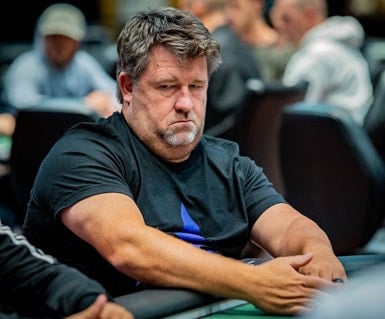
The effect was seismic. In the years after his win, WSOP Main Event fields exploded from a few hundred entrants to thousands, nearly all of them chasing the dream Moneymaker had just made real. The phenomenon even took his name: the “Moneymaker Effect.” He quit accounting, turned pro, wrote a bestselling memoir, and became one of the most recognizable ambassadors the game has ever had. He was never the most technically gifted champion, and he never had to be. His legacy is not a stack of bracelets but the millions of players who sat down at a table because a guy who looked just like them had shown it was possible.
Carlos Mortensen
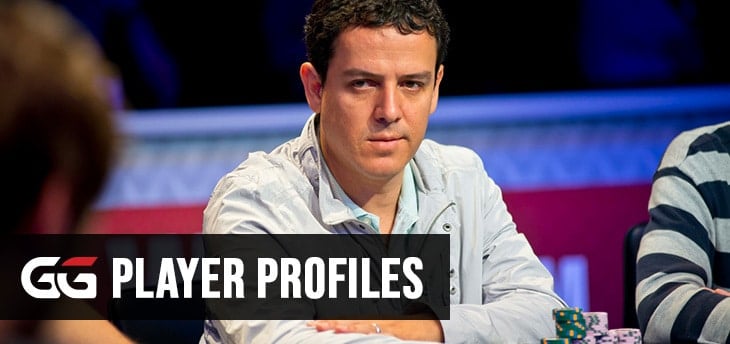
Carlos Mortensen won the Main Event two years before Moneymaker, and in a sense he was the boom’s advance warning. Born in Ecuador and raised in Madrid, “The Matador” discovered poker as a Spanish bartender in 1997, lost his first hundred dollars, and was so annoyed that he taught himself the game overnight. Within four years he was a world champion.
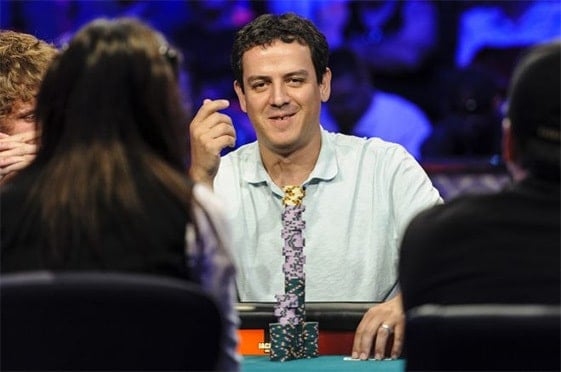
In 2001 he took down the WSOP Main Event, beating Dewey Tomko heads-up for $1.5 million and becoming the first South American to win it. But Mortensen’s real distinction is a record that still stands: he is the first player ever to win both the WSOP Main Event and the World Poker Tour Championship, the two biggest titles in the game. He won three WPT titles in all, more than anyone at the time, including a $3.97 million score in 2007.
His style was the opposite of a textbook. Mortensen barely spoke English when he arrived in the United States, which he turned into an edge, reading faces and betting patterns instead of words. “If I smell weakness, I attack,” he once said, and he backed it up with more than $12 million in career earnings and a loose, fearless approach to Texas Hold’em that made him miserable to play against. He was inducted into the Poker Hall of Fame in 2016, a fitting place for a bartender who learned the game in a single sleepless night and never looked back.
Greg Raymer

If Moneymaker proved an amateur could win, Greg Raymer proved it could happen twice. A patent attorney with a background in chemistry, Raymer qualified for the 2004 Main Event through a $160 online satellite, then walked into the largest field the tournament had ever seen, 2,576 entrants swollen by the Moneymaker Effect, and won it. He beat David Williams heads-up for a $5 million first prize, double what Moneymaker had won a year earlier.

Fans knew him instantly by his props: the holographic sunglasses he wore to hide his eyes, and the fossilized trilobites he used as card protectors, which earned him the nickname “Fossilman.” Behind the gimmicks was a genuinely sharp, analytical player who treated poker like the scientific problems he solved at work.
Raymer’s win cemented the pattern the boom had established, that the Main Event was now anyone’s to take, and he built a lasting career on it, banking more than $8 million and later writing a well-regarded strategy book, Fossilman’s Winning Tournament Strategies, and running a training school. He also became one of the game’s more vocal advocates for players’ rights. Two amateurs, two years running, two very different men: together, Moneymaker and Raymer turned the Main Event from a pros-only club into the biggest open competition in sports.
Joe Cada
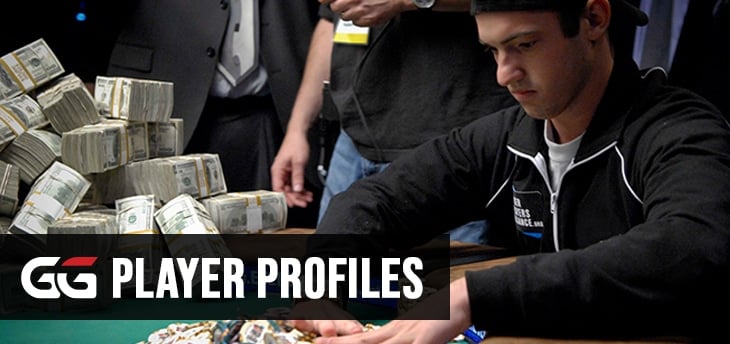
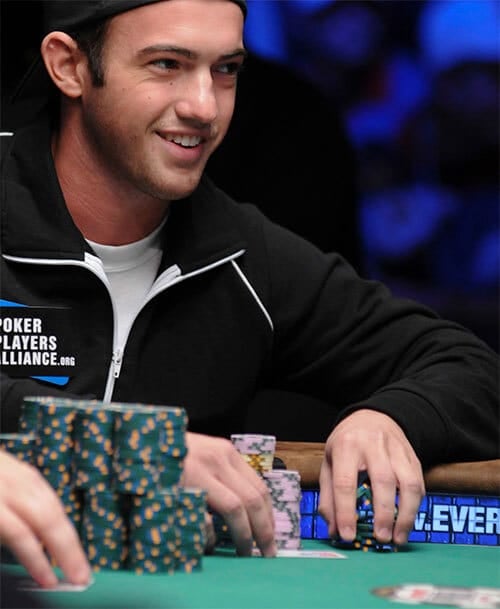
By 2009, the boom had produced a new kind of champion: young, online-bred, and fearless. Joe Cada was all three. A 21-year-old from Michigan whose mother dealt blackjack in a Detroit casino, Cada had been grinding online poker since he was a teenager, crossing into Canada to play live before he was old enough to do it at home.
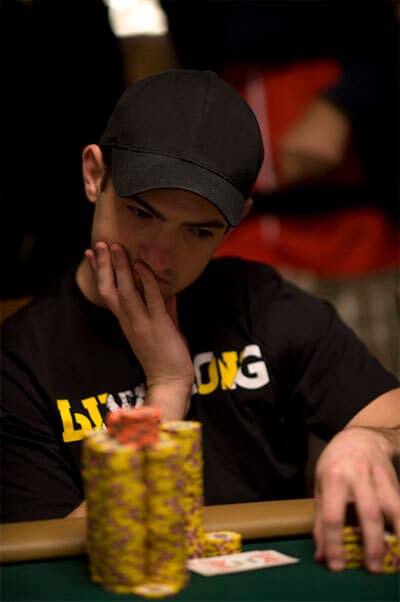
At the 2009 Main Event he became the youngest world champion in history, a record that still stands. It nearly did not happen: he suffered a brutal downswing just before the tournament and needed backers to cover his buy-in. Then he ran deep, survived a final table that included Phil Ivey, and won $8,546,435. His agent called him “The Kid,” a nickname once worn by Stu Ungar, another prodigy who had won young.
Unlike some boom-era champions, Cada was no one-hit wonder. He kept winning, adding a second WSOP bracelet in 2014 and two more in 2018 to bring his total to four, proving the 2009 title was talent rather than a lucky run. He came up entirely through the online game, learning by playing thousands of hands a day, and he became the template for the generation of players who followed: raised on the internet, comfortable with volume and math, and utterly unafraid of the moment.
Sammy Farha

Every one of these champions needed someone across the table, and in the most important hand of the boom, that man was Sammy Farha. Born in Beirut and raised in the United States after the Lebanese Civil War, Farha made his name in the highest-stakes cash games, especially Omaha, where his loose and fearless style thrived. He was unmistakable: sharp suit, an unlit cigarette that never left his lips, and the easy calm of a man who had gambled on everything from pool to Pac-Man as a kid.

In 2003 he sat heads-up against Chris Moneymaker for the world title, and lost. It should have been a footnote. Instead, being the professional an amateur beat on the sport’s biggest night made Farha nearly as famous as the man who won. His composure and charisma under those lights turned him into one of the faces of the era, and his long run on High Stakes Poker kept him there, sitting in some of the biggest cash games ever televised.
Farha’s record is real: three WSOP bracelets, all in Omaha, and more than $2.8 million in tournament earnings, on top of a cash-game career whose true numbers were never public. But his place in this group is different from the others. He is the one who did not win the title, and it barely mattered. Farha proved that in the boom years, how you played the game could make you a legend even on the night you lost.
The Fuse and the Fire
For a decade, the WSOP Main Event was the biggest story in poker, and these were its faces. An accountant, a bartender, a patent attorney, a kid from Michigan, and the professional on the other side of the table that started it all. The boom eventually cooled, and the game grew tougher and more studied. But the door these players opened never closed. Every player who has ever qualified online for a shot at a life-changing score is chasing the dream they made real.
👉 Use Referral Code: WINBIG 👈PLAY NOW!
About the Author: Shawn Altbaum has been writing and editing in the online gaming industry since 2007, reporting live from the WSOP Main Event and conducting interviews with professional players. An active poker player, he combines industry expertise with firsthand knowledge of the games he covers. He currently serves as Global Head of Copywriting at NSUS Group, overseeing brand voice and content strategy across GGPoker.