
High Stakes and Bright Lights: Antonio Esfandiari, Gus Hansen, Phil Laak and Mike Matusow
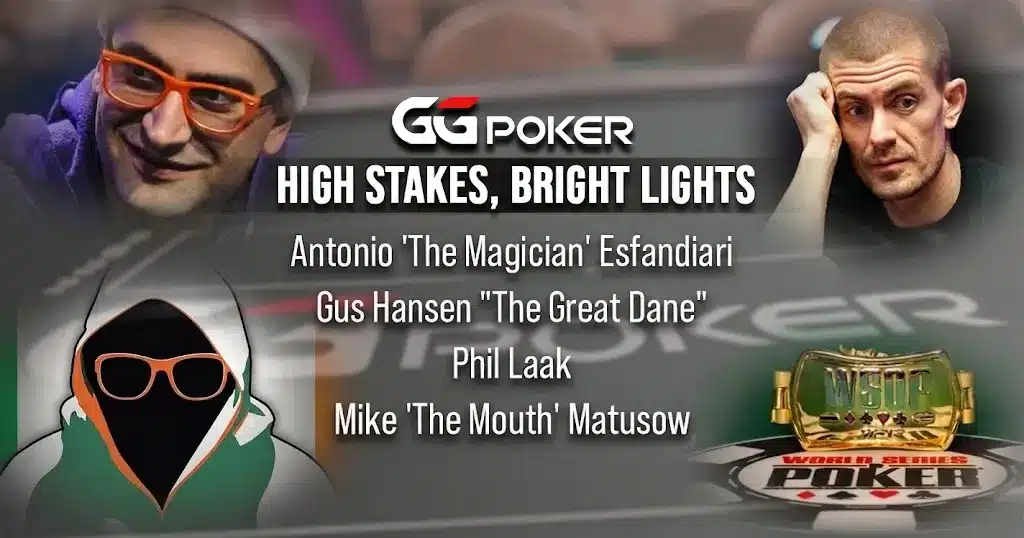
For a few years in the mid-2000s, poker was television. The poker boom put cards on cable in prime time, and shows like High Stakes Poker and Poker After Dark turned a card game into appointment viewing. What made those broadcasts work was not the strategy — it was the people. The four players here were the ones audiences tuned in for: a magician, a maniac, a comedian in a hoodie, and the loudest voice in any room. Each was a genuinely strong player. Each was also, in a way the game had rarely seen before, an entertainer. This is the era they defined, under the bright lights and at the highest stakes.
Antonio Esfandiari
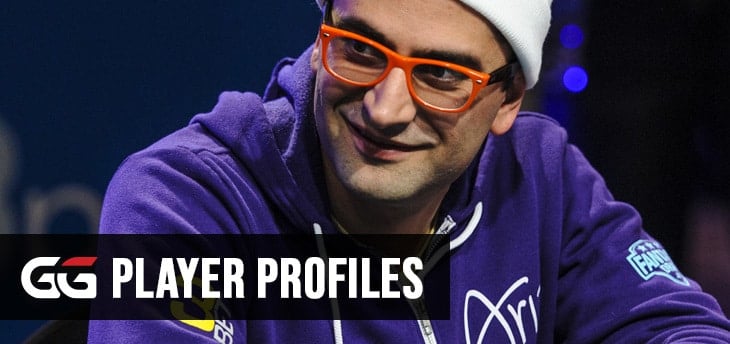
Antonio Esfandiari came to poker from an unusual trade: he was a working magician first. Born in Tehran in 1978 and raised in California, he was doing sleight-of-hand for tips as a teenager before a roommate handed him a poker book and the same knack for misdirection found a new home. The stage name and the showmanship carried straight over. At the table he was “The Magician,” equal parts skilled player and performer.
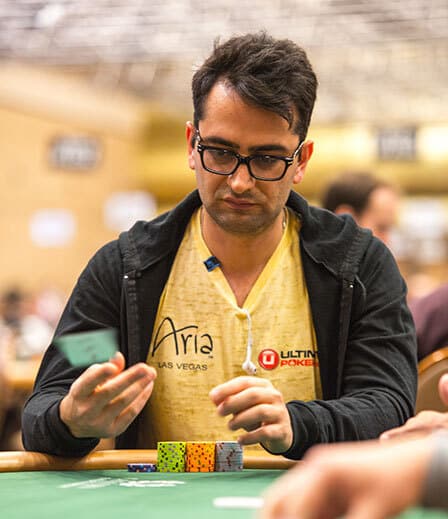
The skill was real. Esfandiari won a World Poker Tour title in 2004, at the time the youngest player to do so, and picked up the first of his three WSOP bracelets the same year. But it was television that made him a star. He became a fixture on High Stakes Poker, trading pots and needling with the likes of Phil Hellmuth and Daniel Negreanu, and he leaned into the role, even making a reality show called I Bet You with his friend Phil Laak built entirely around absurd prop bets.
Then came the score that put him in the record books. In 2012 he entered the inaugural Big One for One Drop, a $1,000,000-buy-in charity event, the largest ever held. From a field of 48 he made it heads-up against Sam Trickett and won, taking home $18,346,673 — the biggest first prize in the history of tournament poker to that point, and briefly the most anyone had ever won at the game. He has since eased off the schedule to spend time with his family, but he still turns up at the biggest buy-ins, and he remains the rare champion who was a genuine entertainer long before he ever raised a chip.

Gus Hansen
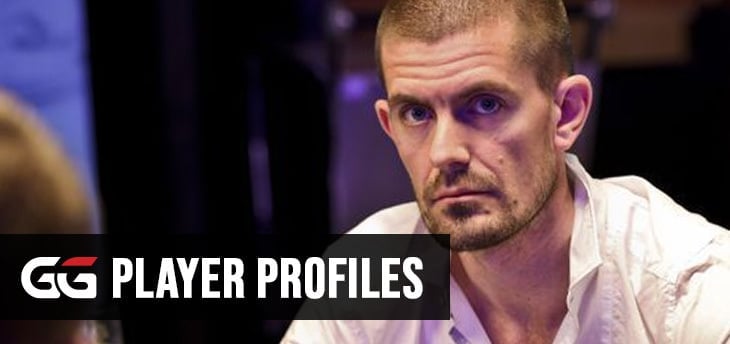
If Esfandiari was the showman, Gus Hansen was the daredevil. The Dane built his reputation on a style so loose and aggressive that other pros simply called him “The Madman” — he would raise and re-raise with hands most players would fold without a second look, and for a stretch in the mid-2000s it worked spectacularly. He was the first player ever to win three World Poker Tour titles, took the 2007 Aussie Millions Main Event, and eventually added a WSOP bracelet in 2010. More than $10 million in live tournament winnings followed a man who often looked like he was purely gambling.
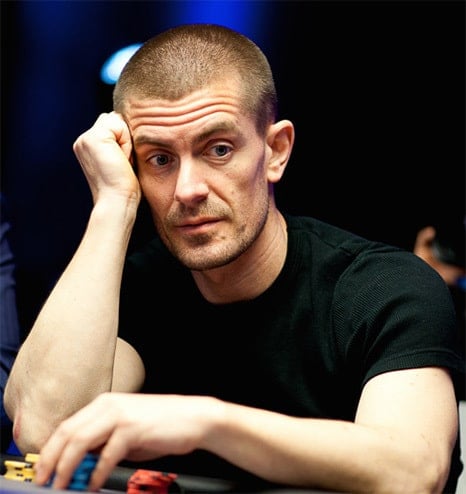
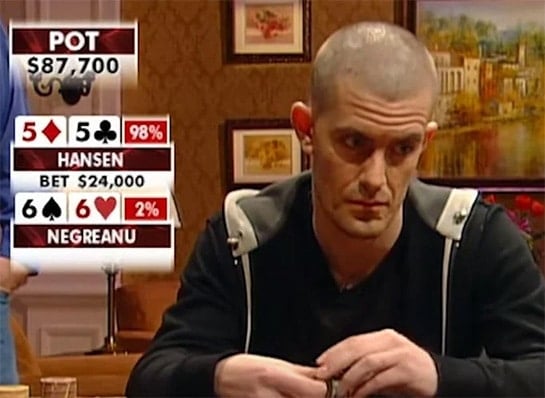
He was made for Poker After Dark. Sitting across from measured players like Daniel Negreanu, Hansen supplied the chaos, and the contrast made great television. Off the felt he was sharper than the maniac act suggested: a former backgammon standout with an accounting degree, he built a small online room called PokerChamps and sold it to Betfair for a reported eight figures.
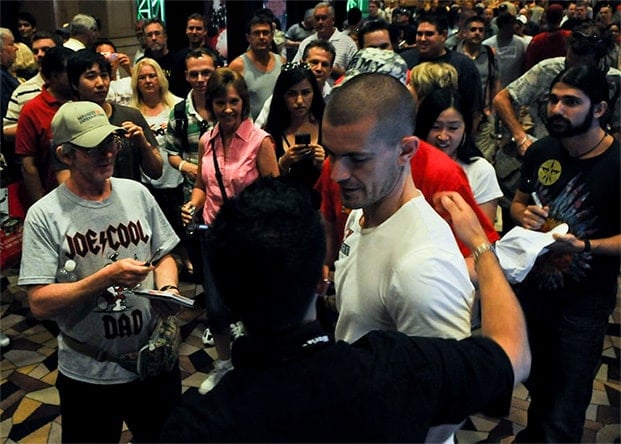
The same fearlessness that made him a star eventually caught up with him. Hansen’s live style did not translate to the toughest online games, and over roughly 1.5 million hands on Full Tilt he lost more than $20 million, the largest documented losing run in online poker history. He stepped away for years, even taking an ordinary day job — though the Great Dane has a habit of turning back up at a big table when least expected.
Phil Laak

Phil Laak turned the poker table into a comedy stage without ever giving up on the poker. Born in Dublin in 1972, he became one of the game’s true characters: hood up, sunglasses on, keeping up a running monologue that might include, at any point, a reference to instructions from the mothership. Gus Hansen gave him the nickname “The Unabomber,” purely for the hooded look, and it stuck.

The act tends to overshadow a solid record. Laak won a WSOP Europe bracelet in 2010 and a PartyPoker World Open title, and he was a natural on television, where the same instincts that make a good prop bettor make good viewing — he and Antonio Esfandiari built the show I Bet You around exactly that. He even coined poker slang that stuck around, including “felted” for losing an entire stack in a single hand.
But the feats are what people remember. In 2008 he played the first day of the WSOP Main Event in a full latex disguise, and the tournament banned masks the following year. Two years later he set a world record by playing 115 straight hours at the Bellagio, more than a full day beyond the previous mark, then donated half his winnings to a children’s charity. Away from the table, his long relationship with actress and bracelet-winner Jennifer Tilly paired two of the game’s most colorful personalities. Plenty of players have posted bigger results than Laak. Very few have been more fun to watch.

Mike Matusow
Mike Matusow earned the nickname “The Mouth” honestly. For more than two decades he has been the most audible man in almost any tournament room, narrating hands, baiting opponents, and generally saying out loud what everyone else is thinking. It made him a television natural, and it sometimes obscured the fact that he is a seriously good player.
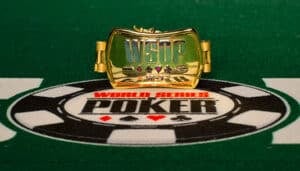
The results are not in question. Matusow has won four WSOP bracelets, across No-Limit Hold’em, Omaha Hi-Lo, deuce-to-seven lowball, and seven-card stud, a range of formats that speaks to more than just talk. His signature score came in 2005, when he won the WSOP Tournament of Champions and its $1,000,000 top prize, a title separate from his bracelets and the biggest live cash of his career. He learned the game in the late 1980s under a Las Vegas rounder named Steve Samaroff and has been near the top ever since.
What set Matusow apart on shows like High Stakes Poker was his refusal to hide anything. He has spoken openly about the personal struggles that ran alongside his career, from addiction to time behind bars, with a candor rare among public figures, and he has put real money behind causes like Ante Up for Africa. The volume is the brand, but there has always been a genuine Texas Hold’em mind behind it. The next time his voice carries across a room, it is worth remembering the four bracelets that back it up.
After the Cameras
The poker boom faded, and the shows that carried it mostly went with it. What these four proved outlasted the format. Esfandiari, Hansen, Laak, and Matusow showed that a great player could also be a great character — that the game was worth watching, not just playing. Poker on television made stars of people who might otherwise have been known only to the rail. These were the ones who made you want to keep watching, and the game is a little more fun for having had them.
👉 Use Referral Code: WINBIG 👈PLAY NOW!
About the Author: Maury Orton is a poker writer and editor contributing to GGPoker. He focuses on clear, reliable explanations of the game, drawing on years of experience in online poker media and digital publishing.