
The Beginner’s Guide to Pot-Limit Omaha (PLO) Poker
Pot-Limit Omaha looks intimidating at first — four hole cards instead of two, bigger pots, more ways to go wrong — but the core of it is simpler than it looks. If you already play poker like Texas Hold’em, you’re most of the way there; PLO just changes a few key rules. Here’s what a beginner actually needs to know.
Flop, Turn, River: How a Hand Unfolds
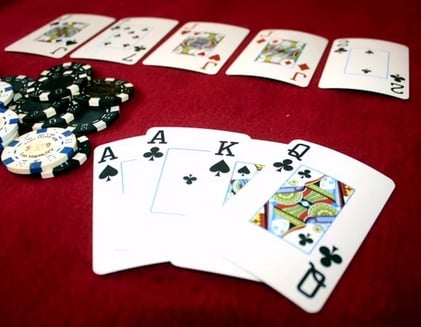
PLO runs through the same streets as Hold’em. After the hole cards are dealt and bet, the flop brings three community cards face up, the turn adds a fourth, and the river a fifth, with a round of betting at each step. The one rule that trips up every newcomer: in Omaha you must use exactly two of your four hole cards and exactly three of the board — no more, no less. So a single ace in your hand plus four spades on the board is not a flush, no matter how it looks. That one constraint changes how every hand is valued, and unlearning your Hold’em instincts is most of the early battle.
👉 Use Referral Code: WINBIG 👈PLAY NOW!
Betting: Where Things Get Real
The “pot-limit” part is what makes PLO its own animal. You can bet anything from the big blind up to the current size of the pot — no more. Unlike No-Limit Hold’em, you can’t shove your whole stack in whenever you feel like it; the most you can wager is what’s already in the middle. It sounds simple until you’re doing the math mid-hand, because the maximum grows every time someone puts chips in. I’ve found that getting comfortable with pot-sized bets is most of the early learning curve.
Drawing Hands: Why They Matter More in PLO
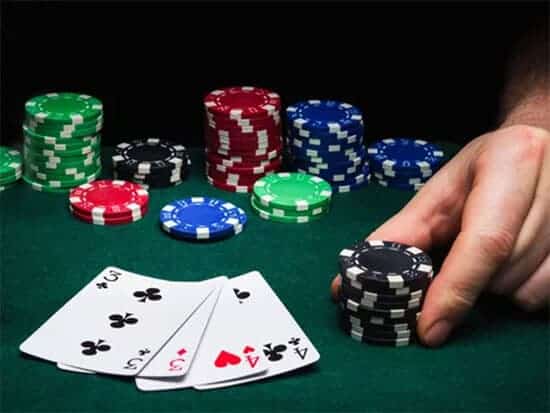
With four hole cards, the hands that matter most in PLO are often the ones that aren’t good yet — the ones with the potential to become a flush, a straight, or better by the river. Those are your drawing hands, and in PLO they’re everywhere. The strongest starting hands tend to be four cards that work together: connected, with pairs and suits that can build into the nuts, rather than four random cards that each go their own way.
Because you hold four cards, the number of possible draws is far higher than in Hold’em, and a strong draw can be a favorite even against a made hand. Say two of your cards are one suit and two are another — that’s two flush draws working at once, and the right connected cards can give you a “wrap,” a straight draw with far more outs than Hold’em ever offers. Learning to spot these draws, and to chase the ones that make the nuts rather than the weak end, is most of what separates winning PLO players from losing ones.
Reading the Board
PLO isn’t just about your own cards — it’s about what the board makes possible for everyone else. Boards get scary fast in Omaha, because four-card hands connect with so much that a flush or full house is out there more often than Hold’em players expect. The hard lesson most beginners learn the expensive way: in PLO the second-best hand is a trap, so lean toward hands that can make the nuts and be ready to fold one-pair holdings that would feel strong in Hold’em. Reading which hands the board allows, and which ones your opponents are betting, is a skill beginners tend to skip and pay for.
Position: Why Acting Last Helps
Position matters in PLO for the same reason it does in Hold’em: acting later means more information. From a late position you get to watch how everyone bets before you commit a chip — and in a game where draws and big hands collide constantly, that information is worth even more than usual.
Where to Start
PLO rewards patience and a clear head more than fancy plays. Learn the two-cards rule cold, get comfortable reading draws and boards, use your position, and don’t let the bigger pots rush you into bad spots. Put in the volume and the rest comes with reps.
Whether you’re a fan of high-stakes cash games or the excitement of multi-table poker tournaments, GGPoker is the premier destination for poker enthusiasts. For those aiming to compete for a prestigious WSOP bracelet, push through the ranks for a WSOP Circuit ring, or simply hone their strategies in classic games or poker formats, GGPoker has something for everyone. The platform offers a seamless online poker experience, with innovative features like Smart HUD, PokerCraft, and integrated staking, designed to elevate your game. Whether you’re grinding your way up in daily cash games or competing for life-changing prizes in major online series, GGPoker provides the best environment to play, improve your poker skills, and succeed in the world of online poker. And if you are not sure where to start, you can always play free poker games and learn at the GGPoker School.
About the Author: Maury Orton is a poker writer and editor contributing to GGPoker. He focuses on clear, reliable explanations of the game, drawing on years of experience in online poker media and digital publishing.