
The Memory Game in Poker
Every player at the table sees the same board. What separates the ones who consistently win is what they carry between hands: how an opponent sized up a similar spot an hour ago, the tell that surfaced last orbit, the betting pattern that has been building all session. Poker rewards the player who remembers. It is easy to focus on the cards in front of you and forget that half the information you need is already behind you, stored in the hands that have already played out. Forget how the player to your left has been three-betting all night, and you are guessing at a spot you could have read. The sharper your recall, the more of that information you get to use.
The Memory Game in online poker
At its core, poker is a game of incomplete information. Every decision rests on educated guesses, built from the cards in front of you and from what you remember of past game dynamics. How an opponent reacted to pressure last time, the strategies they leaned on, the mannerisms that slip out when they are strong or weak: that stored detail is what turns a guess into a read, and a read is what wins pots the cards alone would not.

The Three Types of Memory Poker Demands
Training your memory for poker starts with recognizing the types involved:
- Short-term Memory: This involves remembering recent actions in the game, such as the last few hands and immediate player reactions. It’s crucial for making quick, strategic decisions.
- Long-term Memory: This is about recalling strategies, patterns of play, and behaviors from past games. It helps in developing a deep understanding of opponents and adapting strategies accordingly.
- Working Memory: A blend of the first two, working memory allows players to hold information temporarily while manipulating it to make decisions. It’s what players use to calculate odds, predict outcomes, and strategize in real-time.
Training Your Brain for Poker
A handful of strategies sharpen these memory types over time:
- Active Learning: Don’t just play; analyze your games. Review your hands, study the outcomes, and critically evaluate your decisions. This process will help cement experiences in your memory, making it easier to recall similar situations in the future.
- Mnemonic Devices: Use mnemonic devices to remember hands or strategies. For example, associating certain hands with vivid images or stories can make them more memorable.
- Practice with Purpose: Regularly playing poker is essential, but how you practice will make a difference. Focus on aspects of your game that need improvement, and pay special attention to memorizing opponents’ behaviors and patterns.
- Mental and Physical Exercise: Keeping your brain in shape is as important as keeping your body fit. Regular physical exercise, coupled with mental exercises like puzzles or learning a new skill, can improve overall brain health and memory capacity.
- Rest and Nutrition: Never underestimate the power of a good night’s sleep and a balanced diet on cognitive function and memory. Omega-3 fatty acids, found in fish, and antioxidants, prevalent in fruits and vegetables, are particularly beneficial.
👉 Use Referral Code: WINBIG 👈DEAL ME IN!

Memory in Action
Consider the poker pro who remembers an opponent’s tendency to bluff in certain positions or the amateur who recalls a particular betting pattern that led to a significant win. These snippets of memory can provide a competitive edge, informing decisions that are both strategic and timely.
There’s also the psychological aspect. Players who demonstrate a keen recall of past games can intimidate opponents, creating a mental edge that can be just as effective as the cards dealt.
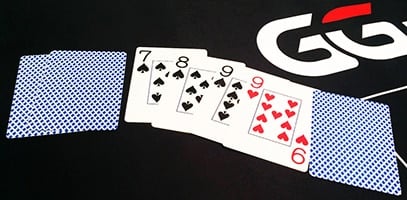
Engaging activities that stretch the mind away from the felt, learning a new language, picking up a musical instrument, or simply keeping up regular social interaction, carry over to the table more than most players expect, especially when you play poker with friends. A mind kept active off the table holds detail better on it.
Memory as a Trained Skill
Memory in poker is not a gift you either have or you don’t. It is a skill, and like every other part of your game it responds to work: reviewing the hands you played and the ones you misplayed, paying deliberate attention at the table instead of drifting between your own hands, and keeping your mind sharp in the hours you spend away from it. The player who remembers how a session has unfolded makes the sharper decision when the pot finally matters. That recall does not show up on the scoreboard the way a big bluff does, but over a long enough stretch it is the difference between a good player and one nobody wants to sit next to. It is the least glamorous edge in poker and one of the most durable, because while reads on a single opponent fade, the habit of paying attention does not. Sharpen it, and the edge is yours to keep.
About the Author: Shawn Altbaum has been writing and editing in the online gaming industry since 2007, reporting live from the WSOP Main Event and conducting interviews with professional players. An active poker player, he combines industry expertise with firsthand knowledge of the games he covers. He currently serves as Global Head of Copywriting at NSUS Group, overseeing brand voice and content strategy across GGPoker.