
The Rise of Poker on TV
For decades, poker was a game you had to be at the table to understand. You could film it, but the camera only ever saw the backs of the cards and the faces of people trying hard to give nothing away. Then someone put a tiny camera at the rail and let the audience see the hole cards, and the game changed from something you watched into something you could finally follow. That one invention turned a backroom pastime into television.
World Series of Poker
The World Series of Poker, first held in 1970, was where the broadcast story really started. Early coverage was small and rough, but it planted the idea that a poker tournament could be watched like a sporting event.
- The Moneymaker Effect: Chris Moneymaker’s victory at the 2003 WSOP was a turning point for televised poker, resonating with audiences and symbolizing the potential for dramatic, life-changing wins.
- Online Poker Synergy:The growth of online poker platforms coincided with and enhanced the popularity of televised poker, creating a new dimension for the game.
- TV Ratings and Network Competition: Following these early successes, poker shows proliferated across networks, capitalizing on the public’s growing interest in the game.
👉 Use Referral Code: WINBIG 👈PLAY NOW
Celebrity Poker and New Formats
“Celebrity Poker Showdown” took the opposite approach, leaning on star power to pull in viewers who didn’t yet care about the game. Airing on Bravo from 2003 to 2006, it put celebrities in No Limit Texas Hold’em tournaments for charity, with a $250,000 prize pool across each episode’s roster. Hidden cameras showed the hole cards, and eliminated players gave commentary from a “Loser’s Lounge.” Over eight seasons it ran through hosts Kevin Pollak and Dave Foley and brought in Phil Gordon and Phil Hellmuth for real poker credibility, while names like Ben Affleck, Don Cheadle, and Maura Tierney kept the broader audience watching.
Poker After Dark: Nighttime Poker Drama
“Poker After Dark” went the other direction entirely. Instead of celebrities, it sat top professionals around a single table late at night and let the tension do the work, emphasizing skill, patience, and the weight of big-money games. It traded spectacle for intimacy, and for serious fans that was the whole appeal.
GGPoker’s Game of Gold
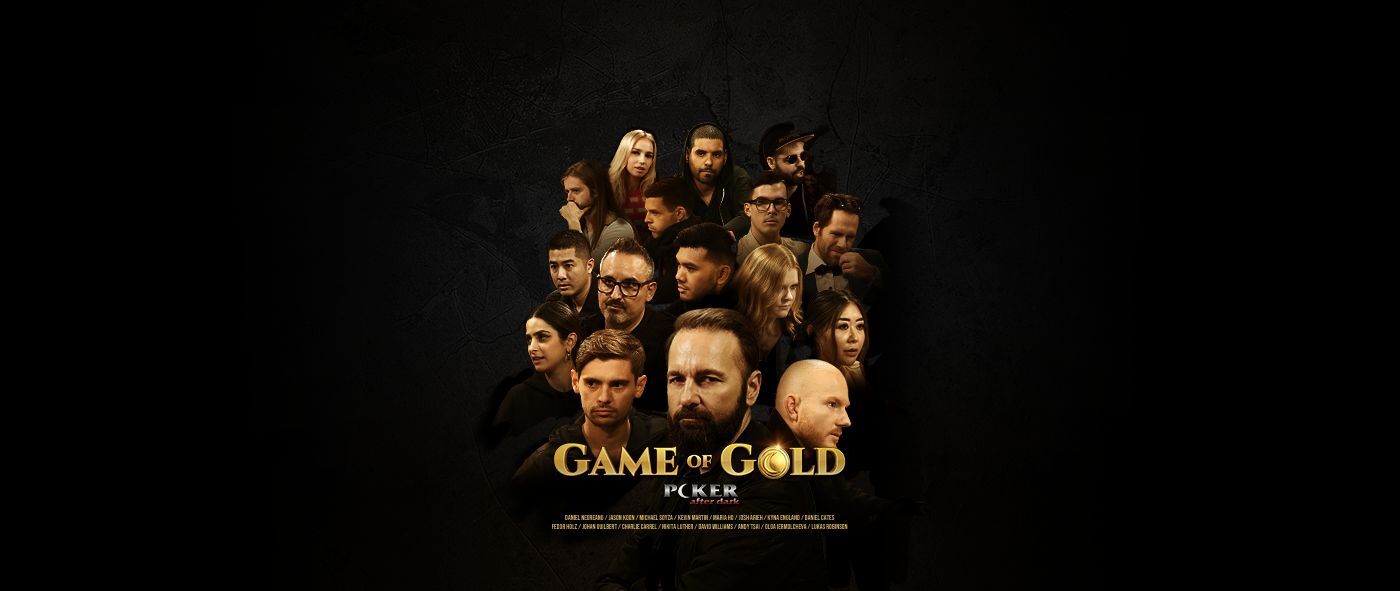
GGPoker’s “Game of Gold,” launched in 2023, showed where the format goes next. The 12-episode series, filmed in Seoul and hosted by Ali Nejad, blended high-stakes poker with reality-TV structure: 16 players, including Daniel Negreanu and Fedor Holz, earned coins through challenges that set their starting stacks for a winner-takes-all final worth $456,000. The team dynamic and the running storyline gave viewers something the older shows never tried.
The Impact on Popular Culture
Poker as a Mind Sport
Poker’s portrayal on TV helped shift its perception from gambling to a game of skill and psychology. Some universities even began treating it as a mind sport worth studying.
The Poker Lifestyle
The fashion, the lingo, and the sunglasses-at-the-table image all spilled out of TV broadcasts and into the culture around the game.
Poker’s Financial Flush
Advertising and Revenue Generation
The popularity of poker on TV has been lucrative for networks, attracting significant advertising revenue due to the game’s widespread appeal.
The Vegas Effect
Las Vegas and other casino destinations have seen a boost in tourism, thanks in part to poker’s television popularity, attracting enthusiasts from around the globe.

Challenges and Controversies
The rise of poker on television, while bringing the game into mainstream entertainment, has also led to misconceptions, particularly the belief that poker is an easy path to wealth. This portrayal often overlooks the reality of the skill, dedication, and risks involved in the game. Such misrepresentations can lead to unrealistic expectations, especially among newcomers who might underestimate the game’s complexities and the element of chance that can negate even the most skilled play.
The increased visibility and accessibility of poker raise concerns about gambling addiction. The combination of the game’s thrilling nature and the ease of online access can be particularly enticing and potentially hazardous. This situation is more pronounced among younger audiences and vulnerable groups, who might be more susceptible to developing compulsive gambling behaviors. Consequently, many poker platforms and broadcasters have started promoting responsible gaming, including implementing measures to educate players about risks and provide resources for those affected by gambling addiction. Despite these efforts, the challenge of balancing the entertainment value of poker with responsible gaming practices remains a critical concern in the sport’s ongoing evolution.
The Camera Never Left
What started with a camera at the rail has not stopped moving. Poker on television turned a private game into a public one, made an accountant from Tennessee into a folk hero, and gave millions of people a way into a game they would otherwise only have heard about. The shows keep changing, from celebrities to professionals to reality formats to live streams, but the thing that made it work in the first place has not: let people see the cards, and the drama takes care of itself.
About the Author: Shawn Altbaum has been writing and editing in the online gaming industry since 2007, reporting live from the WSOP Main Event and conducting interviews with professional players. An active poker player, he combines industry expertise with firsthand knowledge of the games he covers. He currently serves as Global Head of Copywriting at NSUS Group, overseeing brand voice and content strategy across GGPoker.