A Guide To Building a Winning Poker Strategy
There’s no single winning poker strategy, which is the first thing worth understanding. What there is instead is a handful of fundamentals that, applied consistently, separate players who win over the long run from players who just gamble: position, hand selection, adjusting to the table, bluffing with a plan, reading opponents, and managing your money. None of them is complicated on its own. The edge comes from doing all of them, every session, when it would be easier not to.
The Basics: Understanding the Game
Start with the obvious: the cards matter, but they’re only part of it. Over any real sample, the player who reads the table, the betting, and the people better will beat the player who just waits for good hands. Poker has been around since the early 19th century, and the surface has changed enormously since then, but that core hasn’t. It’s a game of skill with a layer of luck on top, and the skill is the part you can actually work on.
Why Position Matters
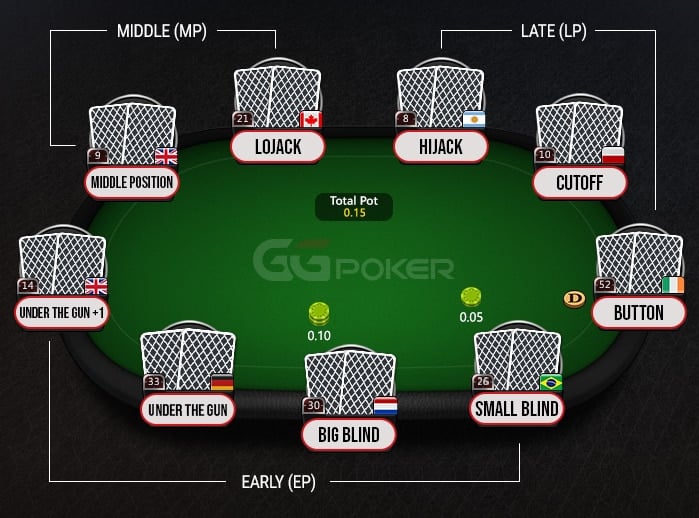
Position is just where you sit relative to the action, and it matters because acting later means acting with more information. From late position you watch what everyone else does before you commit a chip, and that edge is worth real money over time. It’s the easiest advantage for a new player to start using. A common example: it folds around to you on the button or the cutoff, and only the blinds are left. Even with a weak hand, a raise is often profitable here, not because your cards are good, but because two players who’ve shown no strength fold often enough to make it pay. That’s not “position is everything,” it’s position creating a specific, repeatable spot you can exploit.
Starting Hands: Choose Wisely
Not every hand is worth playing, and folding is a decision, not a failure to act. The strongest starting hands are the obvious ones: big pairs, big suited cards, and suited connectors that can flop straights and flushes. But a “good starting hand” isn’t a fixed list. The same hand you’d fold under the gun at a full table is often a clear raise from the button, because position and the players left to act change its value. The mistake most beginners make isn’t playing weak hands, it’s playing too many hands from early position, where they’ll be out of position for the rest of the pot.
Adapting to the Table: Player Count Matters
That value shifts with the number of players, too. At a full table, more opponents means more chances someone holds a genuinely strong hand, so you tighten up and lean on hands that hold their value in a crowd. Short-handed or heads-up, the math flips: the odds of anyone holding a monster drop, so you can open up, play more hands, and apply more pressure. It’s the same principle as position, really. You’re adjusting your range to the situation in front of you rather than playing every hand the same way regardless of who’s at the table.

The Art of Bluffing
Bluffing is betting a hand you don’t think is best to make a better one fold, and it has less to do with a good poker face than people assume. What actually makes a bluff work is whether the story adds up: does the way you’ve played the hand look like the strong holding you’re representing, and is your opponent someone capable of folding? Bluff into a player who never folds and you’re just donating chips. The televised hero-bluffs look like pure nerve, but the good ones are almost always built on a credible line and a read, not bravado.
Reading Your Opponents
Reading opponents is the skill that ties the rest together, and it’s more mundane than the movies make it look. Forget the twitches and staring contests. The reads that actually make you money are in the betting: who bets big only with the nuts, who limps every hand then suddenly wakes up with a raise, who fires the flop but always gives up on the turn. Physical tells exist, but they’re unreliable and easy to fake. Betting patterns are far harder to disguise over a full session, and that’s where your attention belongs.

Bankroll Management: Don’t Go Broke
None of the above matters if you go broke, which is where bankroll management comes in. The idea is simple: keep enough buy-ins behind you that a normal run of bad variance can’t wipe you out. Think in buy-ins rather than dollars, and play stakes your roll can absorb losing at, because even good players lose for long stretches. And there’s no shame in quitting a session that’s going badly. Walking away with most of your stack intact is a skill of its own, and it’s a lot cheaper than chasing losses.
Putting It Together
None of these ideas is complicated on its own. The hard part is applying all of them at once, consistently, when you’re tired or stuck or bored and it would be easier to just play the hand. That consistency is the whole game. Get the fundamentals right, keep adjusting to what’s in front of you, and the results follow over time, even when a single session refuses to cooperate.
👉 Use Referral Code: WINBIG 👈PLAY NOW!
Whether you’re a fan of high-stakes cash games or the excitement of multi-table poker tournaments, GGPoker is the premier destination for poker enthusiasts. For those aiming to compete for a prestigious WSOP bracelet, push through the ranks for a WSOP Circuit ring, or simply hone their strategies in classic games or poker formats, GGPoker has something for everyone. The platform offers a seamless online poker experience, with innovative features like Smart HUD, PokerCraft, and integrated staking, designed to elevate your game. Whether you’re grinding your way up in daily cash games or competing for life-changing prizes in major online series, GGPoker provides the best environment to play, improve your poker skills, and succeed in the world of online poker. And if you are not sure where to start, you can always play free poker games and learn at the GGPoker School.
About the Author: Maury Orton is a poker writer and editor contributing to GGPoker. He focuses on clear, reliable explanations of the game, drawing on years of experience in online poker media and digital publishing.