

Choosing the Right Poker Hands

If you want to get better at poker, start before the flop. The hands you choose to play, and the ones you throw away, shape every decision that follows, and starting-hand selection is one of the few edges available to every player, beginner or veteran alike. What follows is a practical look at which hands to play in Texas Hold’em, and why.
Understanding Poker Fundamentals
Classic games like Texas Hold’em and Omaha are essential to any poker enthusiast’s repertoire. Texas Hold’em, in particular, stands out due to its unique features, such as two starting cards and no-limit betting, which set it apart from other forms of poker that typically involve different hand sizes and betting limits.
At its core, poker is a blend of strategy, skill, and a bit of luck. The goal is to make the best five-card hand, with players betting across several rounds and making decisions based on their own cards and what everyone else is doing. Get comfortable with that rhythm first; starting-hand selection builds directly on top of it.
Poker Hand Rankings
Before anything else, you need the hand rankings cold. They’re ordered by how hard each hand is to make, and they decide who wins at showdown. Here’s the hierarchy, strongest to weakest:
- Royal Flush: The pinnacle of poker hands, a Royal Flush consists of the ace, king, queen, jack, and ten, all of the same suit.
- Straight Flush: A step below the Royal Flush, a Straight Flush comprises five consecutive cards of the same suit, such as 7-8-9-10-J of hearts.
- Four of a Kind: This hand features four cards of the same rank, like four aces, with the fifth card being any other rank.
- Full House: A Full House combines three cards of one rank with two cards of another, such as three kings and two tens.
- Flush: Five cards of the same suit, not in sequential order, make up a Flush.
- Straight: A Straight consists of five consecutive cards of different suits, like 4-5-6-7-8.
- Three of a Kind: This hand includes three cards of the same rank, with the remaining two cards being of any rank.
- Two Pair: Two pairs of cards of the same rank, such as two jacks and two eights, make up this hand.
- One Pair: A pair of cards of the same rank, with three other unmatched cards, forms One Pair.
- High Card: When no other hand is made, the highest card in the hand determines its rank.
Position, Position, Position
Position might be the most underrated edge in poker. Where you sit relative to the dealer button decides how much information you have when it’s your turn to act, and that changes which hands are worth playing. In early position, “Under the Gun” (UTG) and the seats just after it, you act before almost everyone else, blind to what they’ll do, so you tighten up and stick to stronger hands. Move to middle and late position and you get to see more players act first, which lets you open up and play a wider, more flexible range.
Choosing Your Starting Hands
Now to the hands themselves. Premium pocket pairs, TT and up, are the foundation: strong and reliable from almost any position. Middle pocket pairs, 55 through 99, are the versatile middle ground, adaptable as the hand develops. Low pocket pairs, 22 to 44, are long shots that can still produce big surprises when they hit. Then there are the premium offsuit hands like AKo and AQo, powerful but trickier to play out of position. If the rankings aren’t second nature yet, keep a poker cheat sheet handy.
👉 Use Referral Code: WINBIG 👈DEAL ME IN!
Suited Hands
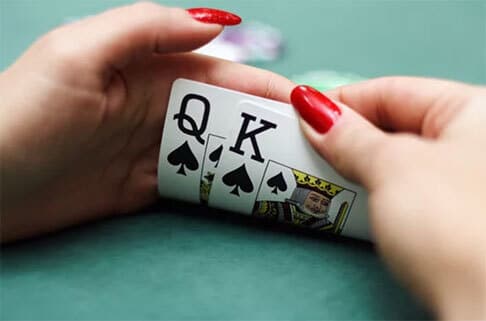
Suited hands open up flush and straight possibilities, which is what makes them worth playing beyond their raw rank. Suited connectors like AKs and KQs, along with suited gappers, can connect with a lot of different boards, turning a cheap call into a big pot when they hit. They also do quiet work on your opponents’ reads, since the same holdings can make top pair one time and a flush the next.
Improving Your Poker Skills
Getting better at poker is mostly reps and attention. A few habits worth building:
Poker Tips and Tricks
- Start with the basics: Ensure you have a solid understanding of the basic rules of poker, including hand rankings and the structure of betting rounds. This foundational knowledge is crucial for any aspiring player.
- Practice, practice, practice: Like any skill, proficiency in poker comes with experience. Engage in free poker games or low-stakes matches to build your confidence and refine your strategies.
- Pay attention to your opponents: Observing your opponents’ betting patterns and behaviors can provide valuable insights into their hand strength and strategy. This awareness can give you a significant edge.
- Don’t get attached to your hand: Flexibility is key in poker. Be prepared to fold if the situation demands it, even if you initially believed you had a strong hand. Adaptability can save you from significant losses.
- Manage your bankroll: Set a budget for your poker activities and stick to it. Effective bankroll management ensures that you can continue playing without risking financial strain.
Advanced Poker Strategies
Once the basics feel automatic, the next big skill is reading the players across from you.
Reading Your Opponents
Reading opponents is part observation, part intuition, part deduction. A few ways to get better at it:
- Pay attention to betting patterns: Each betting round offers clues about your opponents’ hands. Notice how they bet in different situations and look for patterns that reveal their tendencies.
- Watch for body language: Subtle cues in body language can betray an opponent’s confidence or apprehension. A steady hand might indicate strength, while fidgeting could suggest uncertainty.
- Use the process of elimination: As the game progresses, use the cards on the table and the actions of your opponents to narrow down the possible hands they might hold. This methodical approach can help you make more informed decisions.
- Make educated guesses: Combine your observations and deductions to make educated guesses about your opponents’ hands. This skill, honed over time, can significantly enhance your strategic play.

Where It All Starts
Hand selection isn’t the flashiest part of poker, but it’s where winning play starts. Be disciplined about which hands you enter pots with, factor in your position, and pay attention to the players around you, and you’ve already separated yourself from most of the table. The rest is practice.
About the Author: Shawn Altbaum has been writing and editing in the online gaming industry since 2007, reporting live from the WSOP Main Event and conducting interviews with professional players. An active poker player, he combines industry expertise with firsthand knowledge of the games he covers. He currently serves as Global Head of Copywriting at NSUS Group, overseeing brand voice and content strategy across GGPoker.