
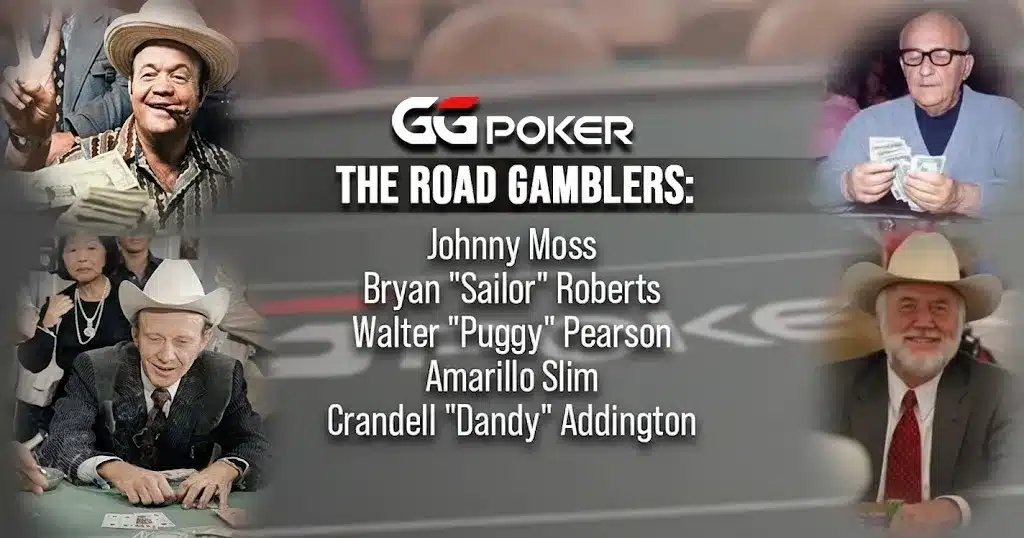
The Road Gamblers: Johnny Moss, Sailor Roberts, Puggy Pearson, Amarillo Slim and Crandell Addington
Before poker had television deals, sponsorships, or even a world championship, it had the road. In the 1950s and 60s, some of the best players in America were poker nomads, driving from town to town across Texas and the South in search of a game, carrying their bankrolls in cash and often a pistol to protect it. These were the road gamblers, tough in a way the modern game rarely demands. When Benny Binion gathered a handful of them at his Las Vegas casino in 1970 and called it the World Series of Poker, these were the men at the table. Several of them became its first champions. All of them helped invent the sport.
Johnny Moss
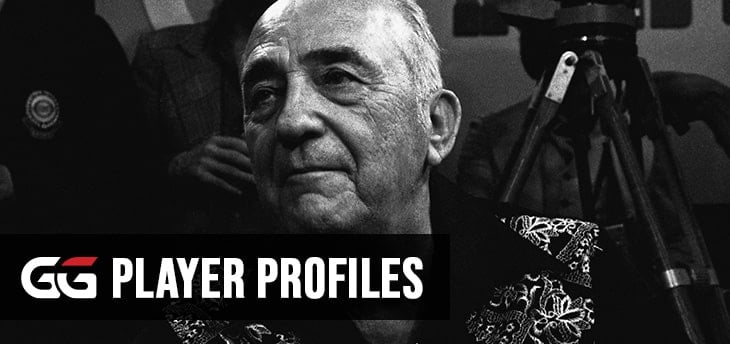
They called Johnny Moss “The Grand Old Man of Poker,” and he earned the title by outlasting everyone. Born in Marshall, Texas, in 1907 and orphaned young, he was working in a Dallas gambling hall by sixteen, hired to watch for cheats, which turned out to be the perfect education. He learned the game from a young Benny Binion, then spent decades as a rounder, driving across the oil-boom South and taking enormous pots off newly rich businessmen who gambled for the thrill of it.
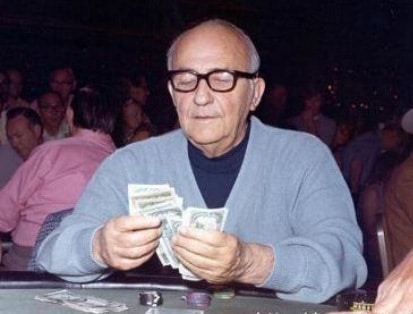
Moss was the star of poker’s most famous legend, the months-long 1951 heads-up match against Nick “the Greek” Dandolos said to have inspired the World Series, a story that makes up much of the game’s founding folklore even though historians have never confirmed it happened. What is beyond dispute is what came next. When his old friend Benny Binion launched the first World Series of Poker in 1970, the players voted Moss the winner, making him poker’s first world champion. He won again in 1971, the first year of the freezeout format, and a third time in 1974.
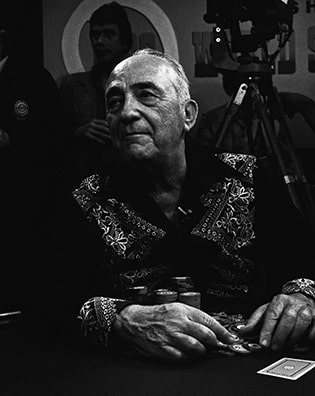
In all, Moss collected nine WSOP bracelets, the last in 1988 when he was 81 years old, and he played in every World Series until nearly the end of his life. He was a charter member of the Poker Hall of Fame. He was also, by wide reckoning, a gambler of pure extremes, capable of winning a fortune at cards and losing it at dice by morning. He died in Las Vegas in 1995, a fitting final address for the man who had been there at the beginning of it all.
Amarillo Slim
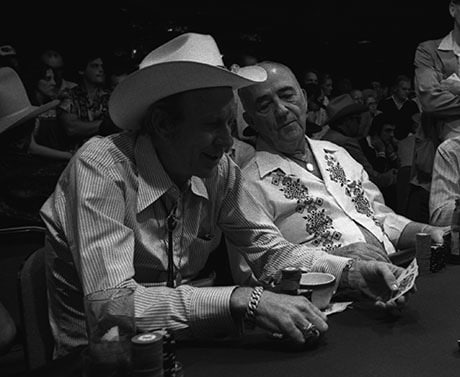
If Moss was the grand old man, Amarillo Slim was the showman who sold the game to the world. Thomas Preston was born in Arkansas in 1928 and raised in Amarillo, Texas, which gave him both his nickname and his drawl. Tall, lean, and never without a Stetson and a story, he came up as a rounder alongside Doyle Brunson and Sailor Roberts, the three of them crossing the country together in search of action.
He could play. Slim won the 1972 WSOP Main Event and three more bracelets over the years, in No-Limit Hold’em and Pot-Limit Omaha, and he was inducted into the Poker Hall of Fame in 1992. But his real gift was promotion. After his 1972 title he took poker to places it had never been, turning up on The Tonight Show and Good Morning America as the game’s grinning ambassador, spinning tales of outrageous prop bets to a national audience that had never given cards a second thought.
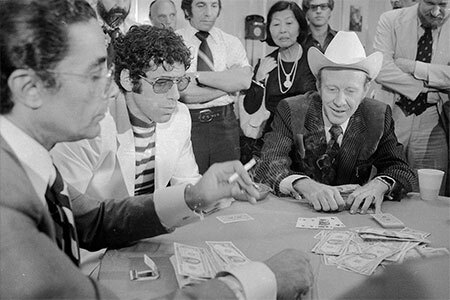
He was also an organizer. In 1979 Slim founded the Super Bowl of Poker, which for a dozen years was the second most prestigious tournament in the game, behind only the World Series. It eventually folded for want of a permanent home, but for a while it gave the pros a second major to chase. Slim stayed close to Benny Binion to the end, and true to the road-gambler code, most of the wilder stories he told about himself were impossible to verify and all the more entertaining for it. He died in 2012.
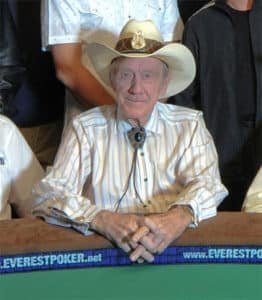
Puggy Pearson
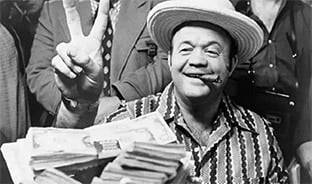
Walter “Puggy” Pearson was the road gambler who helped write the rules. Born in Kentucky in 1929 and raised in Tennessee, one of nine children, he left school young to hustle pool, picked up his nickname after flattening his nose showing off at a church social, and learned poker in the Navy. Then he hit the road, playing anyone, anywhere, for anything.
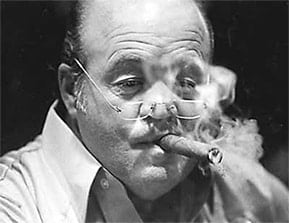
His signature contribution came off the felt. Early tournaments, including the first World Series in 1970, were cash games settled by a vote, which satisfied no one. Pearson is widely credited with pushing the freezeout format that replaced it: everyone pays the same, everyone gets the same chips, and you play until one person has them all. Adopted at the 1971 World Series, it became the template for nearly every tournament since.
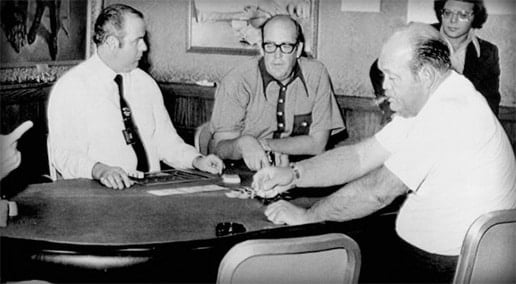
He could win, too. Pearson took the 1973 WSOP Main Event, beating Johnny Moss, and in the same year won two other bracelets to become the first player to capture three WSOP titles in a single series. He finished with four bracelets and a place in the Poker Hall of Fame. Most of all, he lived the part. He toured in a 38-foot bus painted with an open challenge: “I’ll play any man from any land, any game that he can name, for any amount that I can count,” followed in smaller letters by the only qualifier that mattered, “providing I like it.” He was still turning up at the World Series into his seventies, and he died in 2006, a roving gambler to the end.
Sailor Roberts

Brian “Sailor” Roberts got his nickname the plain way, serving in the Navy during the Korean War, and he got his poker education on the Texas circuit afterward. Born in San Angelo in 1931, he came home from the service and fell in with two other young rounders, Doyle Brunson and Amarillo Slim. For roughly six years the three traveled and gambled as partners, pooling a single bankroll and splitting the results, a run Brunson later remembered fondly in Super/System. The partnership broke up, as Brunson told it, only after their first big trip to Las Vegas.
Roberts made the trip pay off in the end. He was there for the inaugural World Series in 1970, won his first bracelet in 1974 in a Deuce-to-Seven Draw event, and the next year took the biggest prize of all: the 1975 WSOP Main Event, a winner-take-all tournament in which he outlasted a field of twenty of the best players alive to collect $210,000 and the world title.
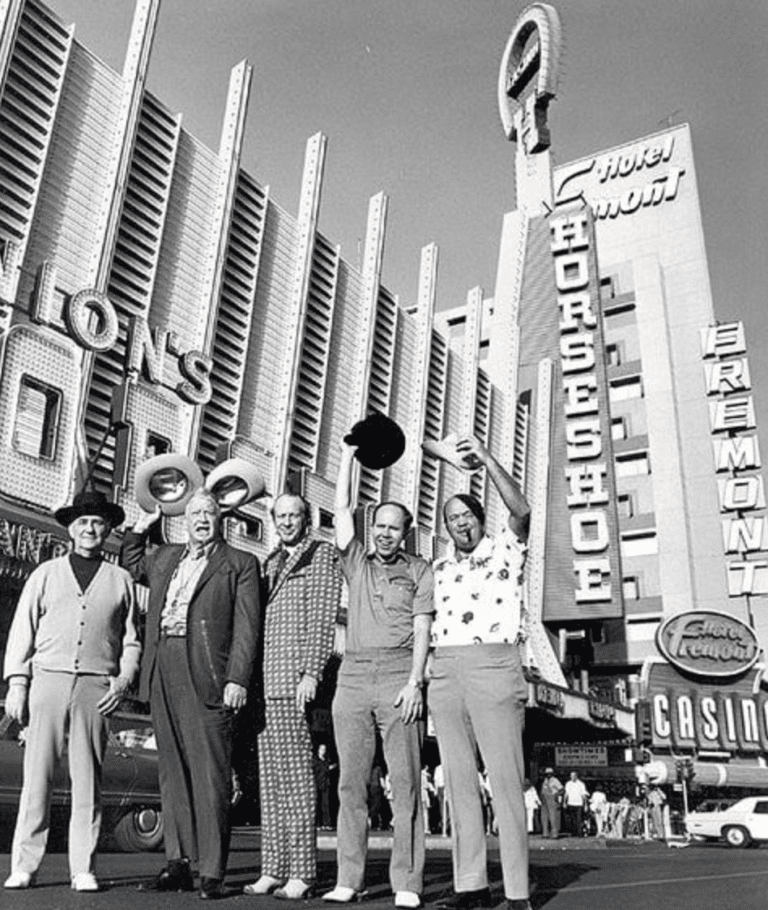
He is the least famous of that traveling trio, in part because his career quieted after his championship and in part because he died relatively young, in 1995. But the partnership he shared with Brunson and Slim is one of the founding stories of professional poker: three broke young Texans who backed each other across a decade of road games and came out the other side as legends. Roberts was inducted into the Poker Hall of Fame in 2012.
Crandell Addington

Crandell Addington never won the World Series of Poker, and he still belongs on this list. Born in Graham, Texas, in 1938, “Dandy” earned his nickname the way you would guess, arriving at rough road games in a tailored suit and tie when everyone else was in shirtsleeves. Beneath the elegance was one of the sharpest no-limit minds of the era. Doyle Brunson called him a no-limit hold’em legend, and Brunson did not hand out that phrase lightly.
Addington was present at the creation. He played the 1969 Texas Gamblers Convention in Reno, the informal gathering that Benny Binion reworked into the World Series a year later, and he was at that first WSOP in 1970. What followed was a run of consistency no one has matched: from 1972 to 1979 he reached the Main Event final table seven times, still a record, finishing runner-up twice, to Johnny Moss in 1974 and to Bobby Baldwin in 1978. He simply never got the last card he needed to win it.
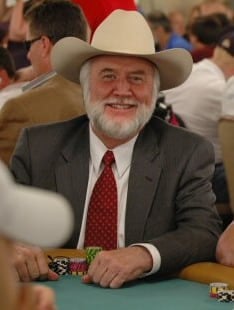
Unlike most of his peers, Addington had a whole other life. He held degrees in economics and accounting and built successful businesses in chemicals and oil and gas, later leading a biotechnology company. He was, in effect, a road gambler in a boardroom suit, and he treated poker as a discipline rather than a vice. He entered the Poker Hall of Fame in 2005 and died in 2024, at 85, one of the last living links to the game’s frontier beginnings.
The Last of the Frontier
These were the men who turned an outlaw pastime into a sport. They played in back rooms and roadhouses when it was dangerous to carry that much cash, and they lived long enough to see the game they loved fill arenas and television screens. Moss, Slim, Pearson, Roberts, and Addington built the World Series of Poker as much by showing up as by winning it. Every bracelet handed out today traces back to a handful of gamblers who would drive all night for the next good game.
👉 Use Referral Code: WINBIG 👈PLAY NOW!
About the Author: Shawn Altbaum has been writing and editing in the online gaming industry since 2007, reporting live from the WSOP Main Event and conducting interviews with professional players. An active poker player, he combines industry expertise with firsthand knowledge of the games he covers. He currently serves as Global Head of Copywriting at NSUS Group, overseeing brand voice and content strategy across GGPoker.