
The Legend of Wild Bill Hickok in the Media
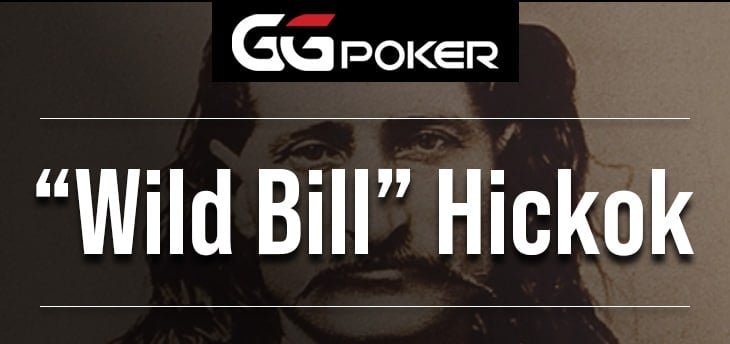
Wild Bill Hickok, one of the most recognized figures of the American Wild West, has drawn audiences to his story across every era of screen media. Known for his association with the “Dead Man’s Hand,” a legendary poker hand of aces and eights said to be held by Hickok when he was shot, his exploits as a gunslinger, lawman, and poker player have been immortalized in numerous films and television series. From silent films of the early 20th century to modern cinematic interpretations, Hickok’s legacy continues to captivate storytellers and viewers alike.
Five portrayals of Wild Bill Hickok cover the range, from silent film to mid-century television, each shaped by the cultural moment that produced it.
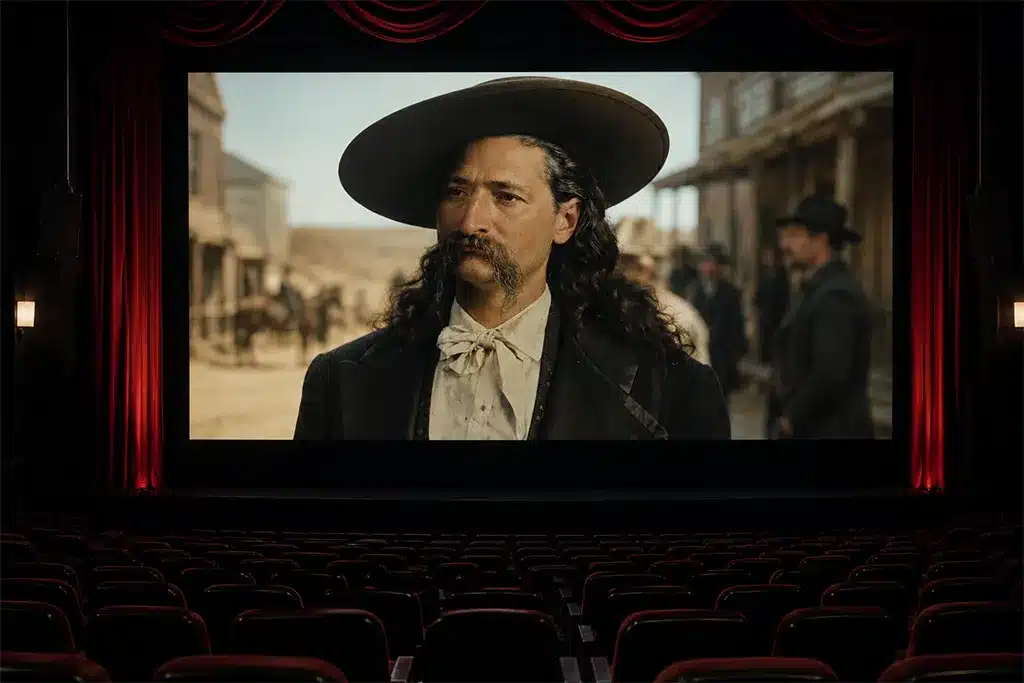
“Wild Bill Hickok” (1923)
“Wild Bill Hickok” (1923) is a silent film starring the legendary Western actor William S. Hart, and directed by Clifford Smith. Known for his stoic and rugged portrayals of frontier characters, Hart delivers a compelling performance as the famed gunslinger. The film centers around Hickok’s adventures in the Wild West, highlighting his marksman skills and moral code, which often pits him against outlaws and corrupt officials. The silent format of the film allows for a focus on expressive physical acting and dramatic tension, typical of the era’s Westerns. The cinematography captures the vast landscapes and gritty realism of frontier life, a hallmark of Hart’s films. While the movie may seem dated by modern standards, it offers a nostalgic glimpse into early 20th-century filmmaking and the romanticized view of Wild West heroes.
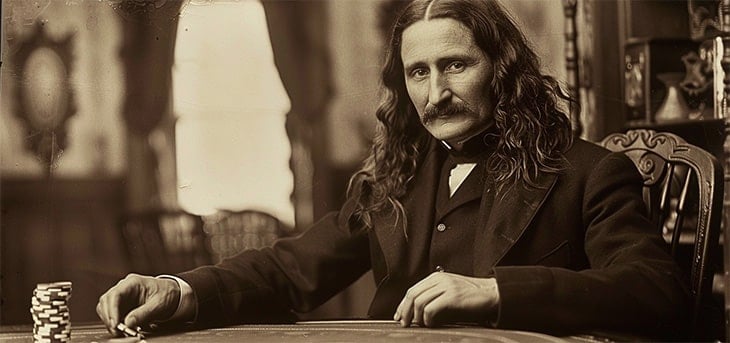
“The Plainsman” (1936)
Directed by Cecil B. DeMille, “The Plainsman” (1936) is a sweeping epic featuring Gary Cooper as Wild Bill Hickok. DeMille’s film is a grand production, blending historical events with dramatized fiction. Cooper’s portrayal of Hickok is charismatic and heroic, embodying the idealized Western hero. The film also stars Jean Arthur as Calamity Jane and James Ellison as Buffalo Bill Cody. DeMille’s direction ensures that the film is visually spectacular, with large-scale action sequences and detailed set designs that recreate the period’s atmosphere. The narrative follows Hickok’s adventures post-Civil War, focusing on his efforts to bring law and order to the frontier. While the film takes liberties with historical accuracy, it remains a solid example of Hollywood’s Golden Age Westerns at its most cinematic.
“Wild Bill” (1995)
“Wild Bill” (1995), directed by Walter Hill, is a gritty and introspective look at the later years of Wild Bill Hickok’s life, starring Jeff Bridges in the titular role. The film examines Hickok’s psychological state, portraying him as a haunted and complex figure grappling with his legacy and impending mortality. Hill’s direction is character-driven, focusing on Hickok’s relationships, particularly with Calamity Jane (Ellen Barkin) and his eventual killer, Jack McCall (David Arquette). The film’s narrative structure is non-linear, blending flashbacks with present-day events in Deadwood, adding depth to Hickok’s character and mythos. Jeff Bridges delivers a nuanced performance, capturing Hickok’s charisma and inner turmoil. The film’s gritty realism and Hill’s stylistic choices create a somber and reflective atmosphere. Although it received mixed reviews upon release, “Wild Bill” stands out for its bold approach to the Western genre, offering a more humanized and flawed depiction of one of America’s legendary figures.
👉 Use Referral Code: WINBIG 👈DEAL ME IN!
“Hickok” (2017)
“Hickok” (2017), directed by Timothy Woodward Jr., stars Luke Hemsworth as Wild Bill Hickok in a portrayal that combines action-packed sequences with a deeper exploration of Hickok’s character. The film focuses on Hickok’s time as a lawman in Abilene, Kansas, covering his efforts to maintain order in a lawless town. Hemsworth’s performance is solid, bringing a rugged charm and intensity to the role. The film also features Trace Adkins and Kris Kristofferson in supporting roles, adding star power to the cast. The cinematography captures the dusty, rugged landscapes of the Old West, enhancing the film’s authenticity. However, “Hickok” struggles with pacing and script issues, occasionally leaning too heavily on Western clichés. Despite these flaws, the film offers an entertaining portrayal of Hickok’s life and his legendary status as a gunslinger and lawman. It appeals to fans of modern Westerns looking for a mix of action and historical drama.
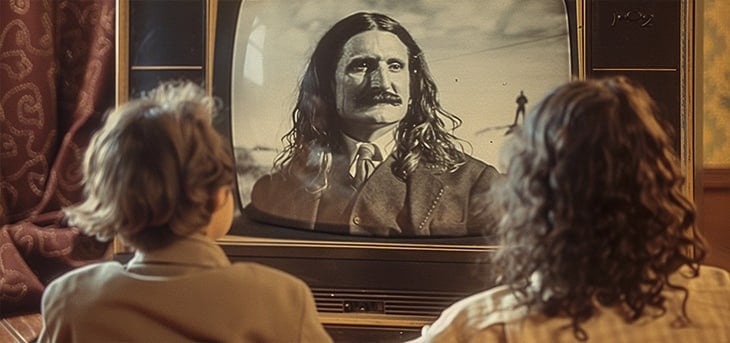
“Adventures of Wild Bill Hickok” (1951-1958)
“Adventures of Wild Bill Hickok” was a popular TV series that aired from 1951 to 1958, starring Guy Madison as U.S. Marshal Wild Bill Hickok and Andy Devine as his comedic sidekick, Deputy Marshal Jingles. The series was a staple of early television Westerns, known for its episodic adventures that combined action, humor, and moral lessons. Madison’s portrayal of Hickok was that of a heroic and incorruptible lawman, a figure of justice in the chaotic Old West. Devine’s Jingles provided comic relief, making the series appealing to children and adults. The show was notable for its fast-paced action scenes, horse chases, and gunfights, all staples of the Western genre. It also featured guest appearances by many actors who would later become stars in their own right. “Adventures of Wild Bill Hickok” remains a beloved classic, remembered for its wholesome entertainment and its role in cementing the Western genre’s popularity on television.
Hickok works as a subject because the source material doesn’t need help. The Dead Man’s Hand — aces and eights, held while playing poker, right before he was shot — is dramatic enough that five productions across a century haven’t needed to exaggerate it.
About the Author: Maury Orton is a poker writer and editor contributing to GGPoker. He focuses on clear, reliable explanations of the game, drawing on years of experience in online poker media and digital publishing.