High Rollers: Stephen Chidwick, Isaac Haxton, Steve O’Dwyer, Justin Bonomo and David Peters
For most of poker‘s history, greatness had a shape you could hold. A World Series bracelet. A Main Event title. A face the television cameras kept coming back to. The record of who mattered was written in gold and broadcast to millions, and the players who owned it — the names of the previous generation of greats — were measured by the trophies on the shelf.
The five players here rewrote that record. They came up online, in the first generation raised on internet volume rather than casino apprenticeship, and they turned the super-high-roller circuit — buy-ins of $25,000, $100,000, sometimes a million — into a full-time profession. They made their names in rooms almost nobody watches, against the same few dozen opponents, who are as often their friends and backers as their rivals. And they measure greatness differently: not by the trophy on the shelf, but by the number next to their name on the all-time money list. Several of them became all-time greats long before they ever won the old gold. A couple did it without winning it at all.

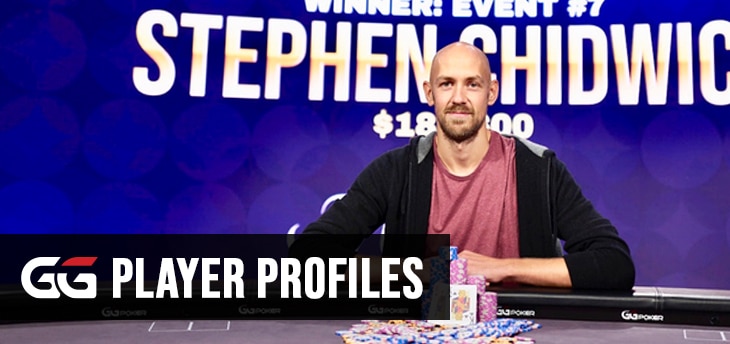
Stephen Chidwick
Stephen Chidwick is the highest-earning British player in the game’s history, and as of early 2026 he sits second on the all-time money list, behind only Bryn Kenney. He was born in Deal, England, in 1989, and started grinding online as a teenager under the name stevie444 back in 2005 — years before most of the live-tournament establishment took internet players seriously. By 2018 he was ranked the best tournament player in the world.
For all of that, the thing that defined Chidwick for years was something he didn’t have. Across a decade of deep runs and near-misses, he became the sport’s most famous example of the Best Player Without a Bracelet: rich, respected, and still missing the one piece of hardware the old guard treated as the price of admission to greatness.

He finally broke through in 2019, beating James Chen heads-up for the $25,000 Pot-Limit Omaha High Roller and a bracelet to go with the $1.6 million. What he said afterward is the tell. Already one of the richest tournament players alive, he described spending years trying to detach himself from how much the bracelet meant — precisely because it meant so much. He added a second in 2024.

That is the tension this whole generation lives inside. Chidwick had already proven, on the money list, that you could be an all-time great without the trophy. He wanted it anyway. The old scoreboard still had a grip on him, even as his own career was busy rewriting it.
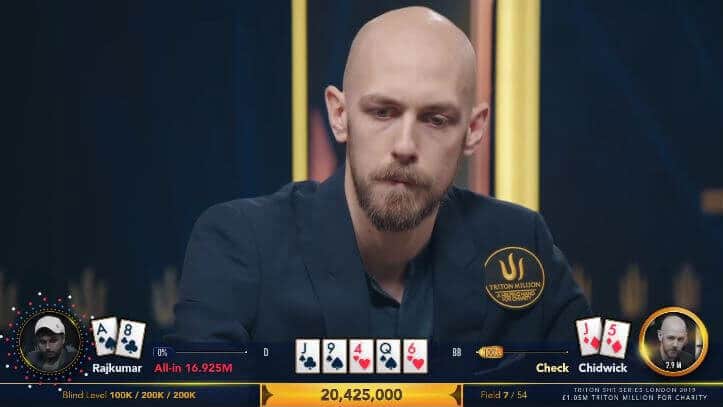
Isaac Haxton
Isaac Haxton came to poker the way a lot of this generation did: through other games. He was playing chess at four and Magic: The Gathering by ten, growing up in Syracuse, New York, where his father taught English. He was sharp enough to skip a grade and ended up at Brown studying computer science before the game pulled him away. The line from those games to poker isn’t decoration — it’s a particular kind of mind, comfortable with incomplete information and long-run math, and it shows in how he plays.
Haxton has built more than $60 million in live earnings, most of it grinding the toughest high-roller fields in the world, and he did it as much online as live — a cash-game specialist first, tournament star second.
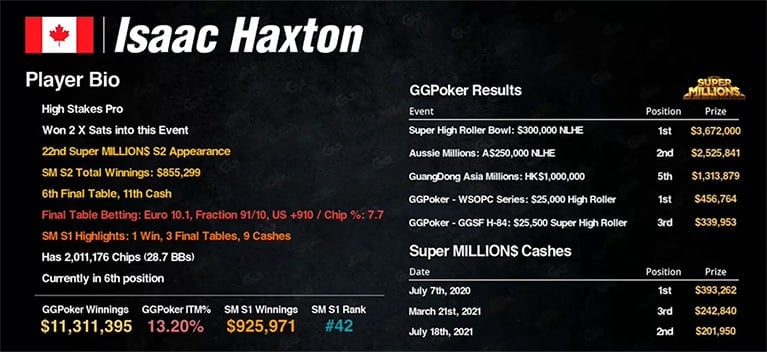
And for the better part of a decade, he was the other Best Player Without a Bracelet, the title passing to him more or less as Chidwick vacated it. Same story, same ache: enormous respect, enormous money, no gold. He finally settled it in 2023, taking down a $25,000 High Roller for a bracelet and $1.7 million.
Two of the five best players of their era spent years defined by the same missing trophy. That is not a coincidence. It is what happens when a generation gets great faster than the old scoreboard can measure it.
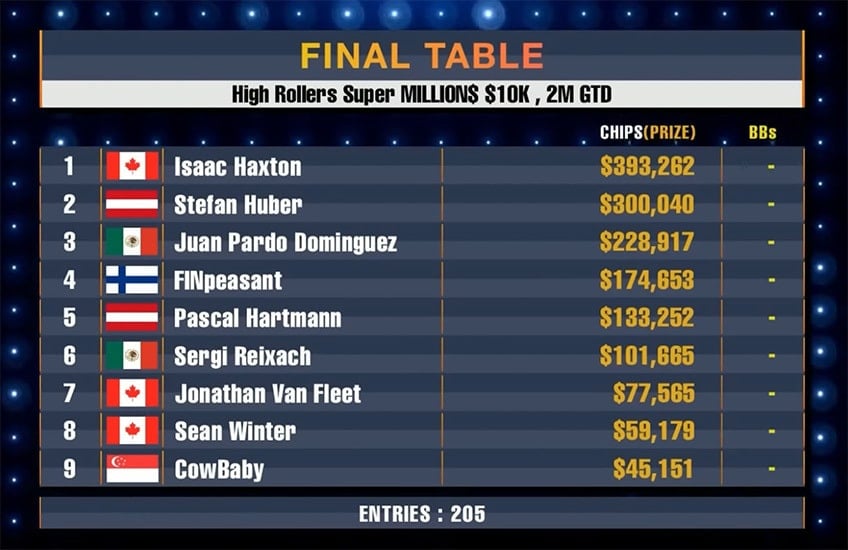
Haxton’s reach goes past his own results, too. When a friend of his hit the worst stretch of his career, Haxton was one of the people who kept him in the game. That friend is the next man here.
Steve O’Dwyer
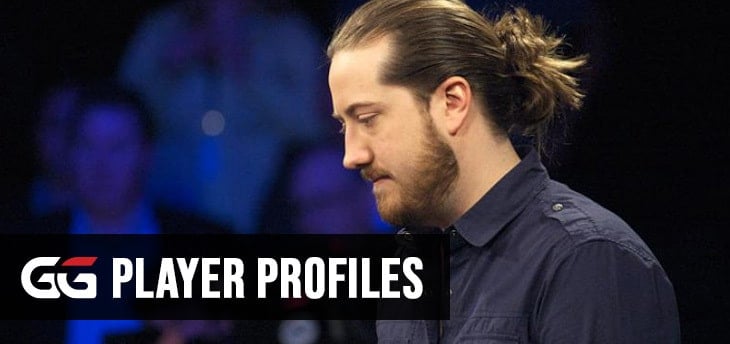
Steve O’Dwyer has earned roughly $47 million in live tournaments, good for around 16th on the all-time list. He owns two European Poker Tour titles and a World Poker Tour title. He has, to this day, no WSOP bracelet — and unlike Chidwick and Haxton, he has never seemed to lose much sleep over it. If any single career proves the money list has become the real record, it’s his.
He was born in Colorado Springs in 1982 to an army family that moved constantly, and he found the game the way half his generation did: watching Chris Moneymaker win the 2003 Main Event on television, an amateur turning a satellite seat into poker history.
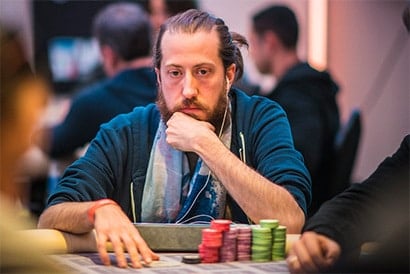
His own path was nowhere near that smooth. O’Dwyer moved to Las Vegas on a small bankroll, ground low-stakes cash for years, and was still climbing when the 2011 Black Friday crackdown froze the US online sites. It hit him at the worst possible moment. He was already carrying more than $400,000 in staking debt, and with the online games gone, he had no way to grind it back.

What saved him was the crew. He spent much of that summer sleeping on Scott Seiver’s floor, and Seiver and Isaac Haxton — players who understood a downswing because they had ridden their own — kept staking him into big tournaments rather than writing him off. It paid back. O’Dwyer climbed out, cleared the debt, and ran up eight figures in scores, including a 2017 win in Macau where he beat Fedor Holz heads-up for over a million.
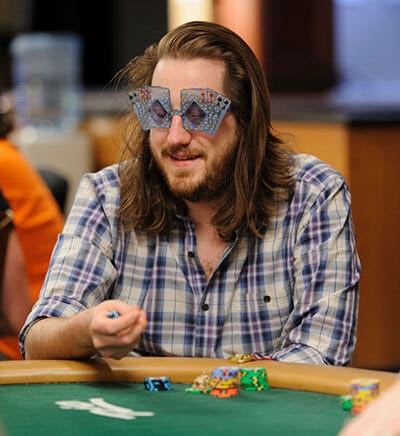
That’s the part outsiders miss about this circuit. It looks like a collection of cold assassins playing for absurd sums. It’s also a small, tight world where the same people back each other, sweat each other, and expect to see each other across the felt next week.
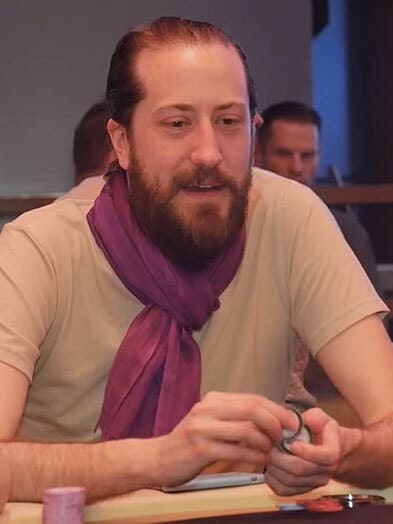
Justin Bonomo
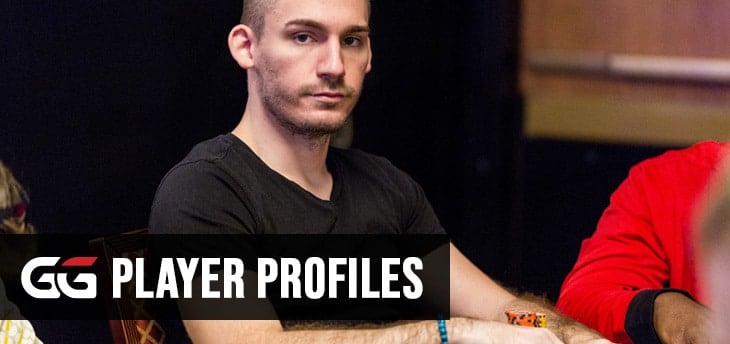
Justin Bonomo has won more than $65 million playing tournament poker, and for a stretch he sat at the very top of the all-time money list. Getting there is a better story than most, because it started with him nearly throwing the whole thing away.
Like Haxton, Bonomo came up through Magic: The Gathering, playing serious tournaments as a kid before he ever touched a chip. He was a prodigy — at 19 he became the youngest player ever shown at a televised final table. Then, in 2006, during the lawless early years of online poker, he was caught entering the same tournament under six different accounts. The ban that followed cost him the trust of a lot of the community, and it took years to rebuild.
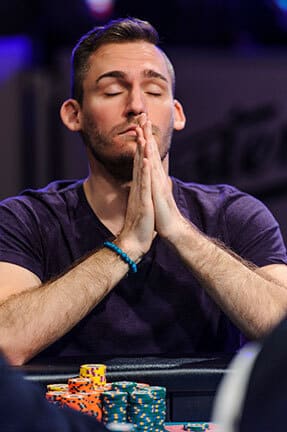
Rebuild he did. Bonomo ground his way back into the game’s elite and then, in 2018, put together one of the greatest single years anyone ever has: more than $25 million in tournament winnings, headlined by a $5 million score in the Super High Roller Bowl and a $10 million win in the Big One for One Drop. That year rocketed him past Daniel Negreanu to number one on the all-time earnings list.
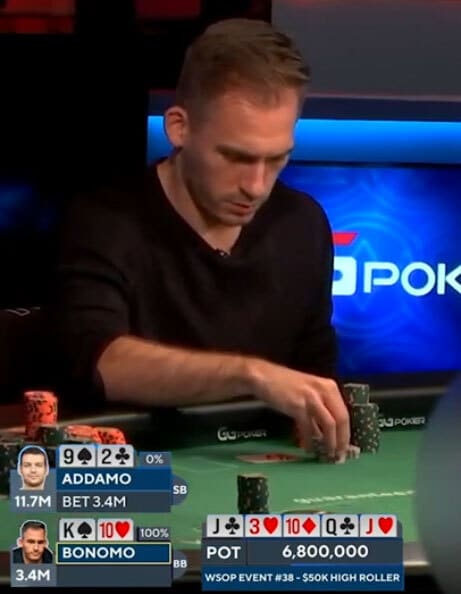
He doesn’t own that spot anymore. The money list is a living thing, and while Bonomo stepped back from the grind, others kept climbing — Chidwick among them, who passed him in 2025. That churn is the point. Under the old scoreboard, a Main Event title was yours forever. Under the new one, the record is a leaderboard that never stops moving, and staying on top of it is its own full-time job.
David Peters: The Silent Assassin
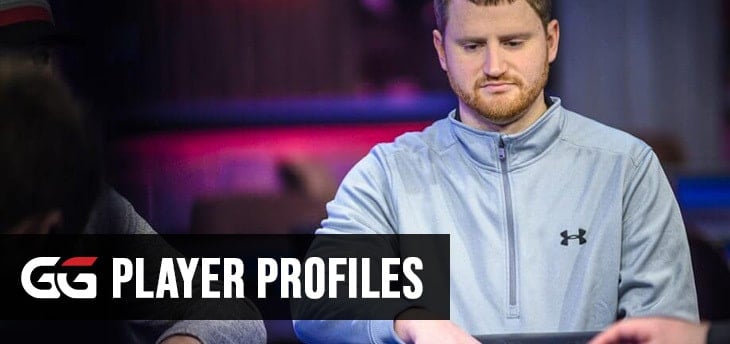
For all the rankings and record-years the others chased, the most complete resume in this group might belong to the man who made the least noise about it. David Peters has earned around $50 million, sits inside the top fifteen all-time, and — unlike everyone else here — has quietly stacked up five WSOP bracelets along the way.
They call him the Silent Assassin, and the nickname is earned. Peters shows almost nothing at the table: no speeches, no theatrics, no mind games. He lets the results talk, and the results are loud enough.
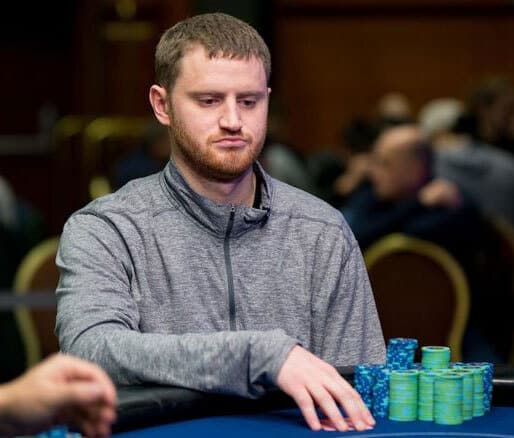
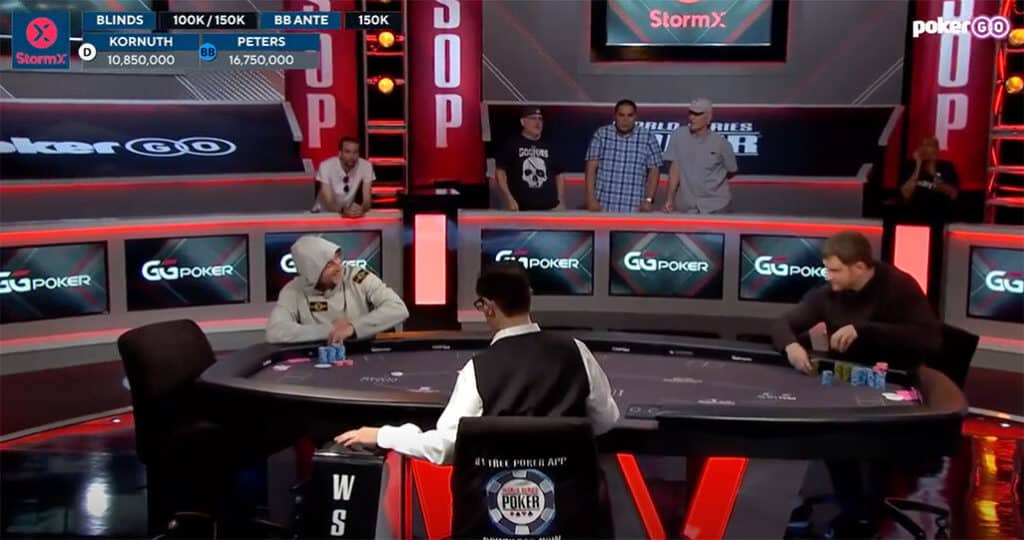
He came to the game young, the way the rest of this crew did, inspired like O’Dwyer by Moneymaker’s 2003 run and grinding online tournaments in his high-school and college years. The rise was steady rather than explosive. In 2016 it peaked — a year worth more than $7 million that earned him Player of the Year honors from both Card Player and the Global Poker Index — and it never really stopped. Three of his bracelets came online during the pandemic, and his fifth arrived in 2026, another million-dollar title long after he had nothing left to prove.
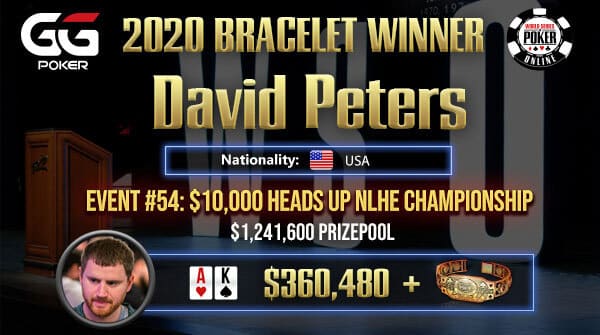
Peters is the quiet answer to the question this whole generation raises. If greatness is no longer a single trophy but a body of work — money, consistency, longevity, and yes, the occasional piece of gold — then the truest champion of the super-high-roller era might be the one who collected all of it without ever asking you to watch.
The New Scoreboard
Put the five together and the shift is obvious. Chidwick and Haxton, all-time greats who ached for a bracelet and eventually got one. O’Dwyer, just as accomplished and still without one, kept afloat through his worst year by the friends he came up with. Bonomo, who climbed to the very top of the money list and then watched it move on without him. Peters, who won all of it in near silence. For a hundred years, poker greatness was a trophy you could hold up to a camera. This is the generation that made it a number instead — earned online, refined in rooms nobody watches, and never quite finished, because the list is always still counting.
👉 Use Referral Code: WINBIG 👈TAKE YOUR SEAT
Whether you’re a fan of high-stakes cash games or the excitement of multi-table poker tournaments, GGPoker is the premier destination for poker enthusiasts. For those aiming to compete for a prestigious WSOP bracelet, push through the ranks for a WSOP Circuit ring, or simply hone their strategies in classic games or poker formats, GGPoker has something for everyone. The platform offers a seamless online poker experience, with innovative features like Smart HUD, PokerCraft, and integrated staking, designed to elevate your game. Whether you’re grinding your way up in daily cash games or competing for life-changing prizes in major online series, GGPoker provides the best environment to play, improve your poker skills, and succeed in the world of online poker. And if you are not sure where to start, you can always play free poker games and learn at the GGPoker School.
About the Author: Maury Orton is a poker writer and editor contributing to GGPoker. He focuses on clear, reliable explanations of the game, drawing on years of experience in online poker media and digital publishing.