
The Importance of Table Dynamics in Poker
Sit down at any poker table and you quickly learn that the cards are only part of the story. The same hand can be a fold at one table and a raise at another, and the difference between them is table dynamics: the personalities, tendencies, and mood that build up over an orbit or two. Learning to read that and adjust to it is one of the biggest edges available to anyone willing to pay attention.
Decoding Table Dynamics
Table dynamics is really just the sum of who’s sitting there and how they’re playing: the atmosphere, the pecking order, the running tension between the aggressive players and the ones trying to stay out of trouble. It’s never static. One big pot, one player going on tilt, one new face sitting down, and the whole texture of the table can change.
The Importance of Adaptability in Poker
Reading the table is only useful if you’re willing to change based on what you see. Every table leans a certain way, aggressive, passive, tight, or loose, and the players who win consistently are the ones who adjust to that instead of running the same game plan everywhere. The strategy that crushes a passive table will get you punished at an aggressive one.
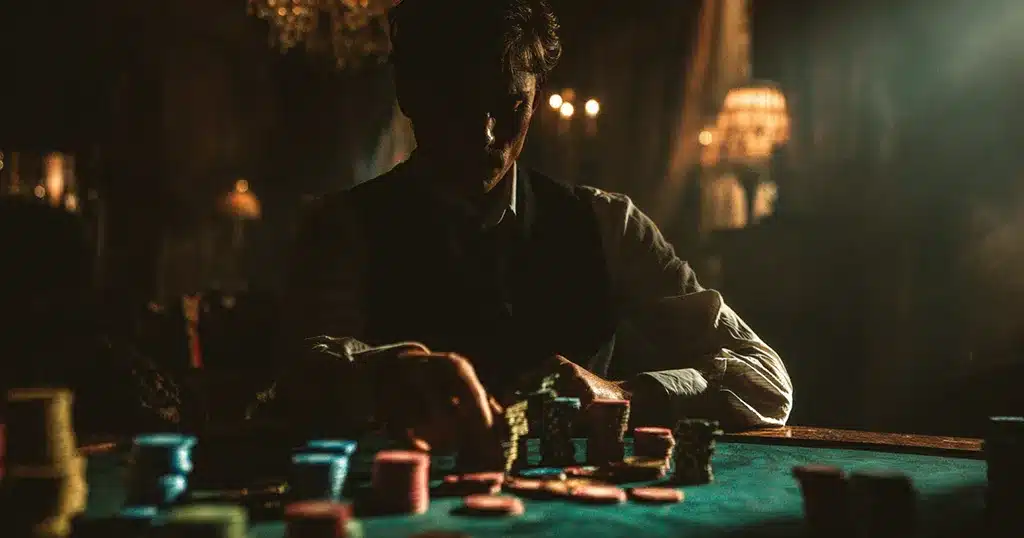
Navigating Different Table Landscapes
Aggressive Tables: Raises and re-raises fly, pots balloon quickly, and the whole table feels volatile. Patience and discipline are what keep you afloat. Don’t get swept up in the aggression; wait for strong hands, then let the aggressive players build the pot for you before you spring the trap. The other side of it is picking your spot for a well-timed bluff or two, since opponents this active are used to taking the lead and don’t expect you to fight back.
Passive Tables: The pace is slower here, with players content to check and call rather than bet or raise. That reluctance is an invitation: take the lead, raise more often, and press your edge in position, since a table full of callers rarely punishes aggressive play. Just keep an eye out for the passive player who suddenly wakes up and plays back, because when a station starts raising into you it usually means they have it.
Tight Tables: Here, players are risk-averse, choosing to play only a narrow range of strong hands. This conservatism can be your playground if you correctly adjust your strategy. The strategy is to expand your range slightly, becoming more willing to bluff and steal blinds, especially from late position. The key is subtlety and timing; overdoing bluffs can backfire. In addition, pay close attention to players who deviate from their tight play, as this often signifies a very strong hand.
Loose Tables: These tables are unpredictable and can be both exciting and challenging. Players often enter pots with a wide variety of hands, leading to unexpected outcomes. In this scenario, tightening up your hand selection becomes crucial. Play premium hands and look for opportunities to trap loose players who are likely to over-commit with weaker hands. Patience is vital, as the chaotic nature of the game can lead to frustration. However, by waiting for strong hands and playing them aggressively, you can extract significant value from players who are too liberal with their hand choices.

The Art of Reading and Adjusting
In poker, the cards you hold are just one part of the equation; the other, often more critical part, is played out in the minds and behaviors of your opponents. Mastering the art of reading and adjusting to these subtleties can turn an average player into a formidable one.
Observing Betting Patterns: Betting patterns are the most telling aspect of a player’s hand. Does a player consistently raise pre-flop? Do they hesitate before making a big bet? Such patterns can indicate the strength of a player’s hand or their confidence in it. For example, a sudden increase in bet size may suggest a strong hand, while a pattern of constant checking might indicate a player waiting for a draw. Adjust accordingly: if someone is consistently aggressive, tighten your hand selection. Against the passive ones, do the opposite and lean on them with more aggression of your own.
Deciphering Physical Tells: Physical tells are involuntary reactions that can provide insight into a player’s hand. This could be anything from a subtle twitch to a change in breathing pattern. Some players may exhibit signs of nervousness, like fidgeting or avoiding eye contact, when bluffing. Others may display overconfidence when they have a strong hand. It’s crucial to observe these tells over time to discern patterns and not rely on a single observation, as experienced players may use false tells to deceive opponents.
Understanding Emotional Responses: Poker is as much a game of emotions as it is of strategy. Players often reveal a lot about their hand through their emotional responses. Frustration, excitement, or disappointment can seep out even in the most disciplined players. For instance, a player who seems unusually disinterested in a hand might be holding a powerhouse, trying to underplay their excitement. Recognizing these emotional cues requires keen observation and experience.
Adjusting to the Table’s Emotional Climate: The overall mood and emotional climate of the table can influence individual playstyles. A table that’s jovial and talkative might lead to looser play, while a tense, quiet table might encourage more conservative play. Adapt your strategy to these emotional undercurrents. For example, in a relaxed game, you might take more risks or bluff more frequently, capitalizing on the carefree mood.
Strategic Flexibility: Effective reading of opponents also involves continuously adapting your strategy. If you notice a shift in someone’s playstyle or emotional state, be ready to adjust your approach. For instance, if a typically conservative player starts betting aggressively, it might be time to reassess the strength of your own hand.
Learning From Patterns: Reading and adjusting is about patterns, not one-off reads. Keep mental notes on how players behave across sessions, not just the current one. That long-term book on a regular you see every week is worth more than any single hand you watch them play.
Reading opponents is really just assembling a psychological puzzle, one piece at a time, from everything each player shows you. The better you get at gathering those pieces and acting on them, the more often you’ll find yourself a step ahead of the table.

Keeping Opponents Off-Balance
One of the hallmarks of a skilled player is the ability to change gears. If you’ve been playing conservatively, a sudden bluff can catch opponents flat-footed. If you’ve been hyper-aggressive, tightening up can be just as effective. The unpredictability is the point: opponents who can’t pin down your pattern are the ones who make mistakes against you.
Playing the Table, Not Just the Cards
Table dynamics tie all of it together: hand reading, position, timing, and a feel for the room. The best players over a session usually aren’t the ones dealt the best cards, they’re the ones who squeeze the most out of whatever table they’re sitting at. Pay attention to the people across from you, adjust before they adjust to you, and the edges add up fast.
👉 Use Referral Code: WINBIG 👈PLAY NOW!
About the Author: Shawn Altbaum has been writing and editing in the online gaming industry since 2007, reporting live from the WSOP Main Event and conducting interviews with professional players. An active poker player, he combines industry expertise with firsthand knowledge of the games he covers. He currently serves as Global Head of Copywriting at NSUS Group, overseeing brand voice and content strategy across GGPoker.