
How to Host the Perfect Poker Home Game
Home poker games are where most players get their start: no casino floor pressure, familiar faces, and rules you set yourself. Getting the format right from the first session is what turns a one-off night into a game your friends keep showing up to. This guide covers the whole job, from picking a variant and gathering equipment to setting stakes and running the table on the night.
Planning the Night
Start with the date. Give your guests a couple of options a week or so out, and steer clear of major holidays or big sporting events so you actually get a full table. Once you have a night, settle the format before anyone arrives. Decide the variant, agree the rules up front, and if any of your players are newer, keep a one-page hand-ranking cheat sheet on the table for when a question comes up. If you plan to host regularly, treat the house rules as a living document you adjust as odd situations crop up.
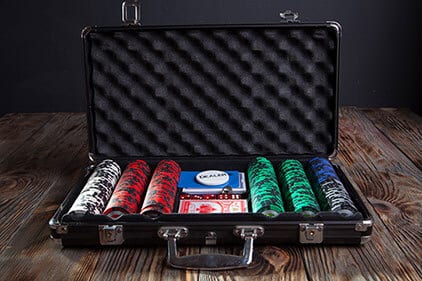
Equipment is simple. You need a sturdy table (or two for a bigger group), comfortable chairs, at least one deck of cards, and a set of chips. If you are running a tournament rather than a cash game, add a timer to manage the blind levels. Borrow or rent anything you are missing rather than skipping it.
Choosing the Variant
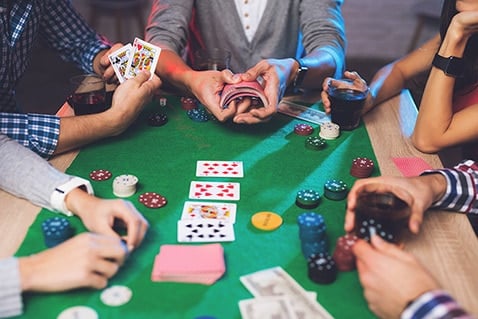
For most groups, Texas Hold’em is the right default. It is easy to learn, hard to master, and it gives everyone room to play their own way, from the patient rock to the player bluffing at every opportunity. Omaha is the natural next step for groups that like a more action-heavy, math-leaning game, and once your table has a few sessions together, rotating in a new variant now and then keeps things fresh. For a purely casual crowd, games with jokers or wild cards are a fine way to lower the barrier.
Setting the Stakes
Stakes are where a home game lives or dies. You want them high enough that people feel invested and low enough that everyone can come back next week without thinking twice. For a cash game, blinds of $0.25/$0.50 or $0.50/$1 cover most home tables well, with buy-ins running from around $20 at the casual end to $100 for a more serious group. None of this is fixed. You set the rules, so if the stakes are pinching players or putting them to sleep, adjust the blinds between hands and move on.
Setting the Scene
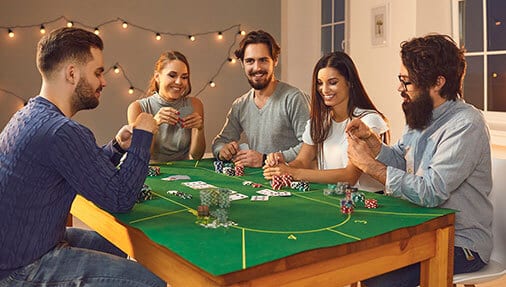
The venue only needs to seat everyone comfortably with decent lighting and airflow, plus a little room for anyone waiting on a seat. Beyond that, small touches earn their keep. A proper felt or even a green tablecloth makes the cards slide and sells the casino feel, and a bit of music and some easy finger food keep the night relaxed. Ask about dietary restrictions when you plan the snacks. None of this is essential, but it is the difference between a card game and an evening people look forward to.
Running the Game
On the night, spread the load. Appoint a dealer who knows the game and will enforce the rules impartially, and hand off the timer, the seating, or the refreshments to a couple of other people so no single host is stuck managing everything. Set the buy-in amount clearly, spell out how rebuys or add-ons work, and if it is a tournament, lay out the payout structure before cards are in the air.
The rest is tone. Play fair, keep the pace up, and shut down anything that turns tense. If someone has a track record of causing friction, a quiet word beforehand usually sorts it, and if it does not, you are under no obligation to invite them back.

House Rules Worth Adding
Once your table has its footing, a couple of optional rules can inject some fun without rewriting the game.
The Seven Deuce Rule pays a bonus, usually somewhere between two and ten big blinds collected from the table, to anyone who wins a hand with 7-2, the worst starting hand in the deck. It is a common house rule that turns an instant fold into a live bluffing opportunity, and it keeps everyone guessing whether the aggressive player actually has it.
Straddling is the other one. A straddle is an extra blind posted before the deal, which everyone then has to answer, and the straddler keeps the option to raise. It inflates the stakes for a single hand and shortens effective stacks, which makes for looser, livelier play. You will often see a player who is stuck straddling in an attempt to win it all back in a hurry. It rarely works, but it always makes the table more interesting.
Making It a Regular Game
Once the first night goes well, gauge the interest and set a rhythm. A weekly game is the most common cadence, but pick whatever fits your group, and enforce clear start and end times so people can plan around it. That consistency is what builds a real home game rather than an occasional one.
When you cannot get everyone in the same room, the same night can move online. GGPoker’s private tables let you host a game for your friends with the dealing, blinds, and payouts handled automatically, which is a simple way to keep the game going between in-person sessions.
The Bottom Line
The home games that endure are the ones that run cleanly, where the host has sorted the format, rules, and logistics before the first card is dealt. Get those right and the social side looks after itself. Your players will not remember the decor; they will remember whether the game felt fair and moved at a decent pace.
👉 Use Referral Code: WINBIG 👈PLAY NOW!
About the Author: Maury Orton is a poker writer and editor contributing to GGPoker. He focuses on clear, reliable explanations of the game, drawing on years of experience in online poker media and digital publishing.